My Journey into Perfecting Voiceover Setup: A Personal Tale
When I first ventured into voiceover work, I quickly realized that creating a professional sound environment was more than just having a good microphone. It was about transforming my space into a sanctuary of clear, crisp audio. I remember spending countless hours experimenting with different setups, trying to find that sweet spot where my voice sounded natural and free of unwanted noise.
Understanding the Core of a Sound Environment
In my experience, the foundation of a stellar voiceover setup lies in understanding the essentials. This includes choosing the right room, soundproofing it effectively, and selecting equipment that complements my voice. I learned that acoustic treatment can make a huge difference; I started with simple foam panels and gradually upgraded to bass traps and diffusers, inspired by expert advice from Sound on Sound.
Why Microphones Make or Break Your Voice Quality
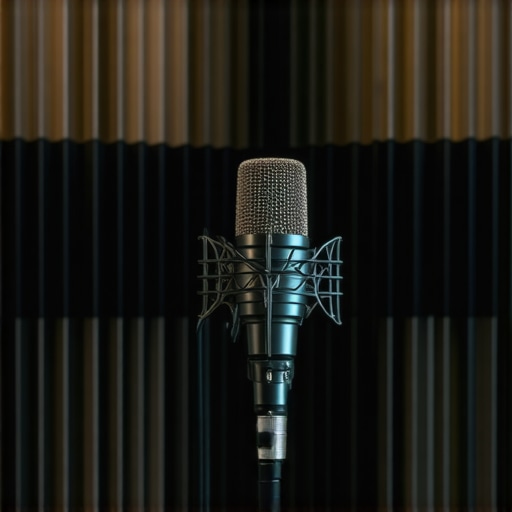
I can’t stress enough how a quality microphone influences your overall sound. I initially used a basic condenser mic, but upgrading to a professional-grade model like the Rode NT1-A significantly improved my recordings. It captured my voice with warmth and detail, making editing less of a chore. To get the best out of my microphone, I also invested in a sturdy boom arm and pop filter, which helped me maintain consistent sound quality and reduce plosive sounds.
How to Achieve Professional Sound without Breaking the Bank
One common myth I dispelled early on was that you need expensive equipment to sound professional. I found that proper room treatment and understanding microphone placement often have a bigger impact than price tags. For example, I learned that positioning my mic at the right distance and angle could drastically improve clarity. Additionally, I explored affordable audio interfaces like the Focusrite Scarlett series, which connected my microphone to my computer seamlessly and provided clean preamps.
What Does It Take to Maintain Consistent Quality?
Consistency is key in voiceover work. I make it a habit to record in the same environment, ensuring minimal background noise and consistent acoustics. Regularly checking my setup and replacing worn-out cables or filters keeps my sound professional. I also use reliable audio gear to safeguard quality over time. This personal discipline has helped me build a strong reputation for delivering clear, professional recordings.
Curious About Advanced Techniques?
How can I further refine my voiceover environment for even better results?
To take my setup to the next level, I started experimenting with soundproofing techniques, such as adding heavier curtains and sealing gaps in my room. I also explored software enhancements like noise reduction plugins and mastering tools to polish my recordings. Sharing my journey with fellow voiceover artists through forums and tutorials has been invaluable. If you’re interested in deepening your understanding, I recommend exploring resources on professional audio editing.
If you’re building your own voiceover setup, I encourage you to share your experiences or ask questions. Every small improvement counts toward creating that professional sound environment that makes your voice truly stand out.
Mastering Acoustic Treatments: From Basic Foam to Professional Soundproofing
One of the most overlooked aspects of a professional voiceover environment is acoustic treatment. While foam panels are a great start, seasoned voice artists often go beyond by installing bass traps, diffusers, and even custom-built soundproof booths. These additions help in reducing room reflections, echo, and external noise, creating a more controlled recording space. For example, integrating bass traps in the corners of the room can absorb low-frequency resonances that muddle your recordings, as recommended by audio engineers on Sound on Sound. This meticulous approach ensures your voice is captured with clarity and warmth, free from the muddiness that untreated rooms can produce.
The Art of Microphone Placement and Room Dynamics
Adjusting microphone placement is akin to tuning a musical instrument; subtle changes can dramatically affect sound quality. An expert tip is to position your mic at a 45-degree angle from your mouth, about 6-12 inches away, depending on your voice and the microphone’s characteristics. Using a reflection filter or a portable vocal booth can further isolate your voice from room reflections, which is especially beneficial in less-than-ideal spaces. Understanding your room’s unique acoustic profile allows you to tweak your setup for optimal results—sometimes even moving furniture or adding rugs can help tame troublesome echoes. For comprehensive guidance, exploring detailed techniques in the audio gear resources can provide invaluable insights.
Leveraging Software for Enhanced Voice Clarity and Consistency
Once the physical setup is refined, the next frontier is digital processing. Noise reduction plugins, equalization, and compression are essential tools in an expert’s arsenal. For instance, subtle EQ adjustments can brighten your voice or reduce sibilance, while noise gates remove background hums. Mastering these techniques requires a nuanced understanding of your voice and environment, often honed through trial and error. Additionally, incorporating software like Adobe Audition or Reaper can streamline your editing workflow, ensuring you maintain a consistent, professional sound across all recordings. Regularly updating your skills with online tutorials and forums keeps you at the forefront of voiceover technology.
How Can I Continuously Improve and Innovate My Voiceover Environment?
What strategies can I adopt to adapt my setup as my skills evolve and technology advances?
Continuous learning and adaptation are vital. Attending industry workshops, participating in online communities, and experimenting with new gear or software can keep your setup fresh and competitive. For example, exploring emerging microphone technologies or innovative acoustic materials might unlock new potential in your recordings. Additionally, seeking feedback from peers or clients can highlight areas for improvement you might overlook. Staying informed about industry trends—such as advancements in professional audio editing—ensures your environment remains state-of-the-art. As you grow, consider investing in a dedicated control room or soundproofing upgrades to elevate your professional image further. Sharing your experiences and insights with fellow voiceover artists not only fosters community but also sparks new ideas for refining your craft. If you’re eager to deepen your knowledge, exploring detailed guides on studio setup can be incredibly helpful.
Remember, every improvement, no matter how small, contributes to a more polished and compelling voiceover portfolio. Don’t hesitate to experiment, seek feedback, and share your journey—your audience will notice the difference.
Refining Your Space: The Hidden Layers of Acoustic Nuance
One of the most fascinating aspects I discovered on my journey was how seemingly minor adjustments in my environment could lead to profound improvements in sound quality. It’s not just about tossing up foam panels; it’s about understanding the acoustic fingerprint of your space and embracing its unique characteristics. For example, I found that placing a thick rug under my desk significantly reduced unwanted echoes, a tip I learned from seasoned professionals on Sound on Sound. This process of fine-tuning often felt like solving a complex puzzle, where every piece—furniture, curtains, even the placement of my microphone—played a critical role in shaping the final sound. The deeper I delved, the more I appreciated the layered complexity of acoustic treatment, transforming my room from a simple recording space into a refined sonic environment.
The Art of Microphone Placement: Beyond the Basics
Microphone placement is an art form that requires patience and an intuitive ear. I learned that even slight adjustments—like angling my mic a few degrees or changing its distance from my mouth—could dramatically alter the warmth, clarity, and presence of my voice. Sometimes, I would spend hours experimenting, recording short snippets and listening critically, a practice I highly recommend. I also discovered the value of using tools like reflection filters or portable vocal booths to isolate my voice further. These tools helped me tame room reflections that I previously thought were unavoidable. Understanding the room’s acoustic profile allowed me to craft a setup that felt natural yet controlled, a delicate balance that took time and attentive listening to perfect.
Advancing Your Digital Workflow: From Basic Editing to Mastering
Once my physical setup was refined, I turned my focus to digital enhancements. It’s remarkable how much a well-processed recording can elevate your sound. I began exploring advanced noise reduction plugins, dynamic EQs, and multiband compressors, which allowed me to sculpt my voice with surgical precision. For example, using a gentle de-essing technique on my sibilants made my recordings sound smoother and more professional. I found that mastering these tools required a mix of technical knowledge and an artistic touch, often learned through trial, error, and community feedback. I also prioritized learning how to set up my home studio efficiently, ensuring my workflow was streamlined and my output consistent. The combination of physical and digital optimization created a synergy that truly elevated my voiceover quality.
What Are the Next Frontiers in Personal Voiceover Environments?
How can I push the boundaries of my current setup to achieve even greater professionalism?
To continue evolving, I’ve started exploring innovative acoustic materials, such as custom bass traps and diffusers, which can be tailored to my room’s specific needs. I also stay abreast of emerging software enhancements—like AI-driven noise cancellation—that promise to revolutionize post-production. Investing in a dedicated control room with soundproofing and acoustic treatment similar to professional studios is another step I’m considering. These upgrades not only improve sound quality but also reinforce a professional mindset that motivates ongoing growth. Sharing my journey and learning from others has been invaluable; I encourage you to participate in forums, attend workshops, or simply experiment with new gear and techniques. Every small tweak brings you closer to that elusive, perfectly polished voiceover environment, boosting your confidence and creative potential. Remember, continuous improvement is a journey—not a destination—and every step forward adds depth and authenticity to your recordings.
Refining Microphone Technique for Vocal Nuance
Over time, I realized that mastering microphone technique was crucial for capturing the subtleties of my voice. I experimented with different distances, angles, and even microphone polar patterns to find what best suited my vocal style. For instance, utilizing a cardioid pattern minimized room ambiance, while experimenting with proximity effect added warmth when needed. This process reminded me of the importance of understanding the physics of sound capture, a concept I delved into deeply through resources like Sound on Sound. The more I learned about controlling proximity and angle, the more my recordings gained a professional edge, allowing my voice to resonate naturally and authentically.
Advanced Acoustic Treatment: Beyond Basic Foam
Building on my initial acoustic treatments, I sought ways to further refine my environment. I invested in custom bass traps and diffusers designed specifically for my room’s dimensions, which dramatically reduced low-frequency muddiness and flutter echoes. I also learned from industry professionals that strategic placement of furniture and even bookshelves can serve as effective diffusers, breaking up standing waves and improving sound clarity. Incorporating these nuanced treatments transformed my space into a balanced acoustic environment, reminiscent of a professional studio. This journey was detailed comprehensively in expert articles like those on Sound on Sound, which inspired me to push beyond generic solutions and develop a truly tailored space.
Optimizing Digital Post-Processing for Authenticity
Once my physical environment was finely tuned, I turned my focus to digital post-processing. I discovered that mastering techniques such as multiband compression, de-essing, and subtle EQ adjustments could enhance my voice’s natural qualities while maintaining authenticity. For example, gentle de-essing eliminated harsh sibilance without dulling the voice, a skill I refined through tutorials and community feedback. I also explored AI-powered noise reduction tools, like those discussed in recent industry reviews, which allowed me to clean up recordings with unprecedented efficiency. Combining these advanced processing techniques with my meticulously crafted environment resulted in recordings that sounded both polished and true to my natural vocal timbre, elevating my professional stature considerably.
What Are the Next Frontiers in Personal Voiceover Environments?
How can I push the boundaries of my current setup to achieve even greater professionalism?
To further elevate my setup, I am exploring emerging technologies such as AI-driven acoustic modeling and active noise cancellation, which promise to adapt dynamically to my environment and reduce unwanted sounds in real-time. Additionally, investing in a dedicated, purpose-built control room with bespoke acoustic treatments can provide a consistently optimal environment and foster a more disciplined recording routine. I also plan to experiment with immersive audio formats and spatial sound techniques, which are gaining popularity in voiceover and multimedia applications. Engaging with professional communities, attending industry conferences, and remaining informed through authoritative sources like Sound on Sound are essential for staying ahead of these innovations. I encourage you to share your own journey and insights—collaborative learning accelerates mastery, and every incremental improvement helps craft a truly exceptional voiceover environment.
The Subtle Art of Room Calibration and Personal Sound Signature
One aspect I’ve come to appreciate deeply is the importance of room calibration—tuning your environment to your unique voice and recording style. Using measurement tools like REW (Room EQ Wizard) allowed me to analyze frequency response and identify problematic resonances. I then applied targeted acoustic treatments and adjusted microphone placement based on these insights, creating a space that complements my vocal nuances. This calibration process is akin to personalized studio tuning, where understanding your room’s acoustic fingerprint enables you to craft a signature sound that’s both consistent and compelling. The journey of room calibration is ongoing, as I continuously refine my setup with new insights and equipment, embodying the principle that mastery in voiceover is a blend of science and artistry. To deepen your understanding, exploring detailed guides on home studio setup can be invaluable, providing practical steps to tailor your environment precisely to your needs.
Sharing and Evolving Through Community Engagement
Finally, I’ve found that engaging with the voiceover community—through forums, workshops, and collaborative projects—has been instrumental in my growth. Sharing my experiences, challenges, and successes not only provides fresh perspectives but also inspires innovative solutions. For example, participating in feedback sessions often reveals subtle issues in my recordings that I might overlook alone. The collective knowledge and support foster an environment of continuous learning, encouraging me to experiment with new techniques and technologies. If you’re serious about refining your voiceover setup, I recommend actively seeking out these communities, as they can accelerate your journey towards a highly professional and personalized environment. Remember, mastery is a continuous process, and every shared insight adds to your evolving sonic signature.
Things I Wish I Knew Earlier
The Power of Room Reflection Control
In the beginning, I underestimated how much room reflections could affect my recordings. I wish I had known sooner that even small adjustments, like adding a soft rug or hanging thick curtains, could dramatically improve sound clarity. It’s like giving your voice a better stage to perform on, rather than fighting the acoustics.
The Subtle Art of Microphone Positioning
I spent hours fiddling with my mic placement, but it was only after experimenting with angles and distances that I truly understood how much nuance there is. Simple tweaks—like angling the mic slightly or moving it a few inches—made my voice sound more natural and professional. It’s a reminder that precision in setup pays off.
Digital Processing Should Enhance, Not Mask
I used to think that fancy plugins could fix any recording issues, but I’ve learned they work best when used sparingly. Subtle EQ adjustments and noise reduction can bring out the best in your voice without making it sound artificial. It’s about enhancing your natural tone, not covering up flaws.
Consistency Is Key
Maintaining a consistent environment and setup has helped me deliver reliable recordings. I now record in the same spot, at the same time, and with the same settings. This routine ensures my voice sounds familiar and professional every time, building trust with clients and listeners.
Invest in Knowledge, Not Just Gear
While good equipment helps, I’ve found that understanding the principles behind acoustics and audio editing has been far more valuable. Resources like Sound on Sound have taught me so much about the science of sound, which in turn improves my craftsmanship.
Resources I’ve Come to Trust Over Time
- Sound on Sound: A go-to source for in-depth articles on audio technology and techniques that helped me understand the nuances of acoustics and recording gear.
- Adobe Audition: The software’s tutorials and community forums have been instrumental in mastering digital editing and post-processing.
- Reaper: An affordable DAW that I use daily; its flexibility and active community have made learning complex editing techniques much easier.
- Room EQ Wizard (REW): Essential for analyzing my room’s frequency response and making targeted acoustic improvements.
Parting Thoughts from My Perspective
Reflecting on my journey, I realize that creating a professional voiceover environment is as much about understanding the nuances of acoustics and technique as it is about having good gear. Every tweak, no matter how small, contributes to a more authentic and compelling sound. If you’re serious about elevating your voiceover craft, I encourage you to invest in learning the fundamentals and experimenting with your space. Remember, the most important thing is to stay curious and keep refining—your voice deserves it. If this resonated with you, I’d love to hear your thoughts. Feel free to share your experiences or ask questions in the comments, and let’s grow together in this sonic journey.