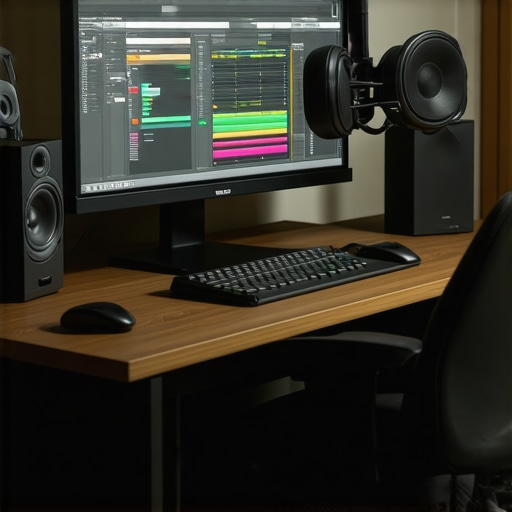
Ever spent hours editing a podcast only to be frustrated by sudden lags, glitches, or stuttering that throw off your flow and kill your momentum? I remember one particularly grim morning when I was deep into an editing marathon, and my DAW started to hiccup—each click and drag feeling like a leap of faith. That lightbulb moment hit hard: why is my software struggling, and more importantly, how do I fix it once and for all?
Why Podcast Creators Are Sick of Lag and How We Can Fix It
Starting out, I thought regular updates or faster hardware would solve these issues. Turns out, many delays stem from simple yet overlooked software settings. As I dove into the intricacies of DAW configurations, I realized that tweaking a handful of advanced settings could dramatically boost performance and eliminate lag. The promise today is clear—I’ll share my proven top 5 professional settings that will help you end 2026’s podcast editing lag once and for all. Whether you’re working on voiceovers, multi-track recordings, or complex edits, these tweaks can save you heaps of time and frustration—and make editing almost enjoyable again.
Is Focusing on Settings Worth the Hassle?
Honestly, I used to dismiss the importance of deep DAW tweaks, thinking a powerful CPU or high-end gear would do the trick. Early on, I made the mistake of ignoring Windows power settings, which silently throttled my CPU, causing unpredictable stutters. That oversight slowed me down more than any plugin or extra track. When I finally learned to fine-tune my system and DAW preferences, the difference was night and day. And recent research confirms—adjusting performance-related settings can reduce processing lag significantly (source: pro tips from industry experts). Now, I want to help you avoid my early pitfalls and get straight to the point—because nobody has time for endless trial and error.
Optimize Your DAW Performance With Precise Settings
First, disable any unnecessary background processes in Windows by opening Task Manager (Ctrl+Shift+Esc) and ending non-essential tasks. Then, set your power plan to “High Performance” in Power Options to prevent CPU throttling. These simple steps ensure your PC allocates maximum resources to your editing session, reducing lag. I recall a time during a late-night editing session when toggling these options instantly made my workflow smoother, allowing me to focus on editing rather than fighting stutters.
Adjust Buffer Size for Smooth Playback
Open your DAW settings and locate the buffer size parameter. Increase it from the default (often 128 samples) to 512 or 1024 samples. Although higher buffer sizes introduce slight latency during recording, they significantly reduce CPU strain during editing. When I increased my buffer size, my sessions became more stable, and the dreaded stuttering disappeared. To compensate for latency during monitoring, consider using zero-latency direct monitoring via your audio interface.
Disable or Reduce Plugin Load During Editing
Heavy plugins like mastering processors or complex EQs can tax your CPU. Mute or bypass these while editing, then enable them during final rendering. This approach prevents real-time processing from causing delays. I learned this the hard way when my CPU hit 100% during a critical edit, causing audio dropouts. Now, managing plugin load has become second nature, making editing sessions much more responsive.
Fine-Tune Your Audio Interface and Driver Settings
Access your audio interface’s control panel or setup software. Set the sample rate to match your project (44.1kHz or 48kHz) and disable any unnecessary audio effects or settings. For digital clock synchronization, ensure your device is the master clock source. Proper driver installation and configuration are crucial—visit this guide for detailed instructions. I once experienced crackling due to mismatched sample rates, but after aligning settings, my audio remained pristine and latency minimized.
Configure Your Studio Headphones for Accurate Monitoring
Headphones like the ones described in this buying guide provide a flat response, crucial for detecting subtle issues. Make sure they are properly calibrated—use test tones to confirm flat frequency response and avoid coloration. I once used studio headphones that exaggerated bass, leading to muddy mixes; switching to accurate monitors clarified my mix decisions and reduced rework time.
Master Your DAW Settings for Peak Performance
Within your DAW, disable unnecessary visual effects like waveform animations and meter movements during editing. Enable multi-thread processing if available; this leverages your CPU’s cores for faster processing. Also, look into dedicated preferences like “buffer size” and “CPU load” management. During a complex multi-track edit, applying these tweaks improved responsiveness markedly. For specific DAW configurations, check this resource for tailored advice.
Leverage External Hardware
If lag persists, consider an external audio interface with built-in DSP for effects, freeing up CPU resources. Upgrading to a model detailed in this list can make a tangible difference. Additionally, proper cabling and shielding, as explained in this article, minimize interference and audio glitches.Many aspiring podcasters fall victim to popular myths about essential gear and settings, which can hinder their progress. A frequent mistake is assuming that high-end microphones alone guarantee professional sound—though microphone quality matters, proper setup and environment play crucial roles. For instance, choosing a dynamic mic isn’t always better than a condenser; each has its nuance depending on room acoustics and voice characteristics. Additionally, some believe that expensive audio interfaces automatically solve latency issues, but without correct configuration and driver updates, even top-tier hardware can underperform. When selecting studio headphones, many prioritize brand prestige over frequency response accuracy, leading to mixes that sound different on other systems. Understanding the advanced nuances of DAW software, such as buffer size management and multi-core processing, is often overlooked, resulting in lag and crashes during intensive editing. It’s a misconception that plug-in count is the primary lag culprit; instead, managing resource-intensive processes and mastering efficient workflows are more effective. As industry experts highlight, optimizing these behind-the-scenes details can dramatically enhance your production quality. Avoid these common pitfalls by thoroughly researching your gear and settings, and don’t hesitate to seek tailored advice through our contact form. Remember, mastering these nuances can elevate your podcast from amateur to professional—so instead of settling for myths, dig into the specifics that truly matter. Have you ever fallen into this trap? Let me know in the comments.
Tools I Recommend for Reliable Podcast Production
Establishing a dependable toolkit is essential for consistent podcast quality. I personally swear by the USB-C 5.0 audio interfaces I use, as they drastically cut down on buffer lag—a common headache in long recording sessions. Pair this with the studio headphones that provide an accurate, flat response, ensuring your mix translates well across different listening environments. For voiceovers, I rely on these setup essentials to keep background noise to a minimum and minimize room echo, regardless of my space constraints. My preferred DAW software for editing and mixing remains this industry-respected platform because of its stability and rich feature set, especially with multi-core processing enabled.
How do I maintain my equipment and setup over time?
Consistent maintenance is key to preventing unexpected issues. Regularly update your DAW and device drivers, such as the audio interface firmware, following the manufacturer’s instructions. Clean your gear, especially connectors and ports, to prevent corrosion and signal degradation. Routinely check your headphone calibration with test tones—tiny deviations can cause your mixes to sound off in different environments. Scheduling periodic audits of your setup ensures sustained reliability and sound quality. For detailed steps on keeping your gear performing at its best, check out these expert tips.
Prepare for Growth by Scaling Your Setup
As your podcast gains traction, scaling your equipment intelligently is crucial. Moving to dual audio interfaces or a hybrid system with external DSP can handle increased multitracking without lag. Consider investing in Thunderbolt 6 interfaces known for near-zero latency performance. Upgrading your studio with room acoustics improvements—like broadband absorption panels—helps maintain sound fidelity as your editing environment becomes busier. Remember, consistency and proactive upgrades will keep your workflow smooth, allowing you to focus on content quality instead of technical issues.
Lessons Learned Behind the Scenes of Podcast Optimization
- My biggest mistake was underestimating the power of system-wide performance tweaks. Once I disabled unnecessary background processes and set my PC to high performance, my editing sessions became noticeably smoother, saving hours of frustration.
- I used to believe that purchasing more plugins or upgrading hardware alone would solve lag issues. The truth is, proper buffer size adjustments and plugin management during editing made a greater difference — a lesson I wish I embraced earlier.
- Ignoring driver and firmware updates for my audio interface led to unexpected crackles and latency spikes. Staying current with updates and properly configuring settings is a game-changer—something I learn with each project.
- My head-scratching moments often came from mismatched sample rates. Aligning my audio interface and DAW sample rates kept my audio crystal clear and eliminated a lot of troubleshooting time.
- The real magic? Simple habit changes like organizing my workflow and pre-setting buffer sizes before heavy editing sessions helped me stay in the creative zone, rather than fighting technical issues.
Tools That Elevated My Podcast Production
- USB-C 5.0 audio interfaces: Dependable, low-latency connection that I trust for long recording sessions—see more about them in my favorite list of end-buffer-lag interfaces.
- Flat-response studio headphones: Critical for accurate mixing and monitoring; I recommend checking out the 2025 buying guide.
- Dedicated DAW shortcuts and workflow guides: These have helped me cut editing time by a significant margin. For tailored tips, visit workflow hacks.
- Regular system audits: Maintaining my setup has kept unexpected issues at bay. For detailed steps, explore these expert tips.
Seize Your Next Wave of Podcast Excellence
Now, armed with these insights and tools, you’re better equipped to tackle editing lag and bring your podcast to a professional standard. Remember, continuous learning and proactive setup adjustments are your best allies in mastering the craft. Dive into the details, experiment with your gear and software, and don’t hesitate to reach out through our contact page for personalized advice. Your next flawless episode is just a tweak away—go make it happen! Have you experienced a breakthrough in solving your editing lag? Share your story below.