How I Discovered the Perfect Audio Gear for My Podcast Journey
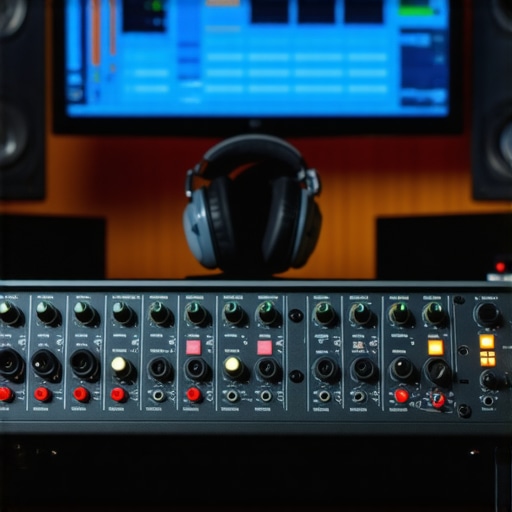
Starting my podcasting adventure, I was overwhelmed by the sheer number of options available for audio interfaces and studio headphones. I remember the first time I recorded an episode, only to realize that poor audio quality could ruin the entire experience. That moment sparked my quest to find equipment that delivers crystal-clear sound, essential for engaging my audience and maintaining professionalism.
Why I Switched to a High-Quality Audio Interface
After some trial and error, I learned that an excellent audio interface is the backbone of a studio setup. It not only improves sound quality but also provides reliable connectivity and low latency. I opted for models recommended by industry experts, such as those reviewed in best DAW software guides. My experience confirms that investing in a top-tier audio interface, like the Focusrite Scarlett series, dramatically elevates your podcast’s audio clarity.
Choosing the Right Studio Headphones for Voice Clarity
Next, I explored various studio headphones to monitor my recordings accurately. I discovered that closed-back headphones, like the Beyerdynamic DT 770 Pro, provided excellent noise isolation and detailed sound. These headphones helped me catch subtle audio issues before publishing, ensuring every episode sounds professional. For more insights, I checked out top studio headphones reviews.
What Makes a Great Audio Setup for Podcasting?
From my experience, a combination of a quality audio interface and studio headphones creates a synergy that guarantees clarity and warmth in recordings. It’s also essential to consider room acoustics and microphone quality, but the core setup is crucial. I also learned that proper calibration and mastering techniques can make a significant difference, as outlined in DAW software guides.
How Can I Ensure My Podcast Sound Stands Out in 2024?
Achieving standout audio quality involves continuous learning and investing in reliable gear. I recommend exploring the latest equipment reviews and tutorials, which can be found on trusted sites like Editing Gear Pro. Also, engaging with fellow podcasters through forums or social media can provide valuable tips and support. Don’t forget, your unique voice combined with excellent sound quality is what truly makes your podcast memorable.
If you’re passionate about delivering top-tier audio, I’d love to hear about your experiences or questions below. Sharing insights helps us all improve and grow our podcasts!
Remember, the journey to professional sound begins with the right tools and a committed mindset. For more detailed guides, check out studio headphones buying guide and audio interface setup tips.
Unlocking the Secrets of Professional Podcast Audio in 2025
Ever wondered how top podcasters achieve that crisp, immersive sound that keeps audiences hooked? The journey to mastering audio quality involves more than just choosing the right microphone; it’s about understanding the entire signal chain, from acoustics to post-production. Let’s explore some advanced insights that can elevate your podcast to professional standards.
Why Does Signal Flow Matter More Than Ever?
In the world of audio engineering, signal flow—the path audio takes from source to output—is crucial. Properly managing each stage ensures minimal noise, optimal gain staging, and prevents distortion. For instance, using a high-quality audio interface setup can dramatically improve your sound clarity by providing cleaner analog-to-digital conversion. Understanding how to route your gear effectively, including the placement of compressors and EQs, can make a tangible difference in your final mix.
The Role of Room Acoustics and Sound Treatment
Even with premium gear, poor room acoustics can sabotage your audio quality. Expert podcasters invest in sound treatment—such as bass traps, diffusers, and acoustic panels—to reduce reflections and background noise. This creates an environment where your voice is captured with precision, reducing the need for extensive post-production correction. For creative insights into optimizing your space, check out studio headphones and voiceover setup tips that complement room treatment strategies.
The Nuance of Post-Production and Mastering
Post-production isn’t just about editing; it’s where you shape your sound’s character and clarity. Techniques like spectral editing, multiband compression, and harmonic enhancement can add warmth and presence. Yet, over-processing can lead to a loss of naturalness, so understanding the balance is key. For mastering your episodes, exploring DAW software options with expert features can be invaluable.
How Can I Use Technology to Make My Voice Stand Out in 2025?
Emerging AI-driven tools and plugins offer innovative ways to enhance voice clarity and consistency. Noise reduction algorithms, real-time EQ adjustments, and intelligent leveling can streamline your workflow and ensure your voice always sounds professional. Integrating these tools seamlessly requires a solid understanding of your setup, including your audio interface and monitors. For more on choosing the right gear, visit audio interfaces and headphones.
What are your biggest challenges in achieving studio-quality sound? Sharing your experiences in the comments can spark new ideas and solutions. Also, don’t forget to explore comprehensive guides on DAW software and setup for a complete professional overhaul.
Delving into the Nuances of Signal Flow for a Seamless Podcast Experience
One of the most overlooked yet critical aspects of professional podcasting is understanding the intricacies of signal flow. Early in my journey, I underestimated how much routing and gain staging impact the final sound. Today, I realize that a well-managed signal chain—carefully routing audio from microphone to interface, through processors like compressors and EQs—can significantly reduce noise and prevent distortion, ensuring clarity and warmth in every episode. To refine my setup, I invested time in studying expert guides, like the audio interface setup tips, which helped me optimize my signal path for cleaner recordings.
The Power of Room Acoustics: Creating a Sound Sanctuary
Despite having premium gear, I struggled with echo and background noise until I realized that my room’s acoustics could make or break my sound. I began experimenting with bass traps, diffusers, and acoustic panels, transforming my space into a dedicated recording sanctuary. This investment in sound treatment reduced unwanted reflections and background noise, allowing my voice to shine through with clarity. The difference was palpable—my recordings sounded richer and more professional, with less post-production editing required. For those interested, exploring studio headphones buying guide can help you select the right monitors to complement your acoustic environment.
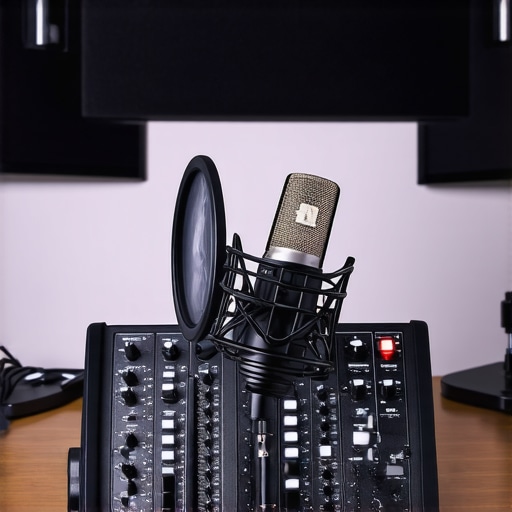
Optimizing room acoustics for podcasting involves strategic placement of sound-absorbing materials and reflective surfaces to create a balanced environment. It’s a game-changer for achieving studio-quality sound at home.
Post-Production Mastery: Beyond Basic Editing
In my quest for professional sound, I discovered that post-production is where your audio truly comes alive. Techniques like spectral editing, multiband compression, and harmonic enhancement add warmth and presence, but overdoing them can strip away natural qualities. Striking the right balance requires understanding your tools—like the best DAW software for voiceover editing. I’ve found that investing in mastering plugins and learning their nuances has elevated my episodes from good to exceptional, making my voice resonate with clarity and depth that captivates listeners.
Harnessing Technology for Voice Enhancement in 2024
Emerging AI-driven plugins and noise reduction algorithms have revolutionized my workflow. Real-time EQ adjustments, intelligent leveling, and noise suppression tools like voiceover setup tips enable me to produce consistent, professional-grade audio with less effort. These advancements not only save time but also open new creative possibilities—allowing my voice to sound polished and engaging, regardless of room or equipment limitations. For podcasters aiming to stand out, embracing these technologies is essential.
If you’ve faced challenges in achieving studio-quality sound, I’d love to hear your experiences. Sharing insights can spark valuable discussions and solutions. Feel free to comment below or explore further resources on best audio interfaces and software to enhance your setup.
Mastering Signal Flow for Seamless Podcast Production
Understanding the intricacies of signal flow has been a game-changer in my podcasting journey. From microphone placement to digital conversion, each element must be meticulously routed to prevent noise and distortion. I invested time studying expert recommendations, such as those detailed in audio interface setup tips, which provided clarity on optimizing my gear configuration. Properly managing gain staging and signal routing ensures every episode sounds crisp and professional, making a tangible difference in listener engagement.
The Art of Acoustic Treatment: Creating a Sound Sanctuary
Despite high-end equipment, untreated rooms can still sabotage audio quality. I embarked on transforming my space into a dedicated recording environment by installing bass traps, diffusers, and acoustic panels. This acoustic treatment significantly reduced reflections and background noise, allowing my voice to resonate with clarity and warmth. The process underscored the importance of a well-designed sound environment, as highlighted in studio headphones buying guide. Investing in sound treatment not only enhanced my recordings but also minimized post-production corrections, saving valuable editing time.
Harnessing AI and Advanced Plugins for Voice Clarity
Emerging AI-driven tools and plugins have revolutionized my post-production workflow. Real-time noise reduction, intelligent EQ, and multiband compression enable me to produce polished, consistent audio. For example, plugins like iZotope RX offer spectral repair capabilities that can seamlessly eliminate unwanted sounds without compromising natural voice qualities. Integrating these technologies, as discussed in DAW software options, allows me to elevate my podcast’s sound profile effortlessly. These advancements empower creators to achieve studio-grade audio, regardless of their physical environment.
How Can I Customize My Signal Chain for Maximum Clarity?
Customizing your signal chain involves thoughtful placement of processors like compressors, EQs, and de-essers. I recommend experimenting with different configurations to find what best suits your voice and room acoustics. For personalized guidance, consulting comprehensive resources such as ultimate guide to DAW and setup can be invaluable. Remember, the key is balancing clarity and naturalness—over-processing can diminish your authentic voice, so subtlety is crucial. Sharing your experiences and adjustments can foster a community of continuous improvement and innovation.
Engaging with the Future of Podcast Audio Technology
The landscape of audio technology is rapidly evolving. Staying ahead involves not only upgrading gear but also understanding emerging trends like spatial audio and binaural recording. These innovations can create immersive experiences that captivate audiences and distinguish your podcast in a crowded market. I actively explore new tools and techniques, often referencing authoritative insights like those from industry leaders. For instance, adopting binaural microphones has allowed me to craft engaging, three-dimensional soundscapes that add depth to my episodes, resonating more profoundly with listeners.
If you’re passionate about pushing your podcast’s audio quality to new heights, I invite you to share your challenges and successes. Connecting with a community of like-minded creators can inspire innovative solutions and foster growth. For more tailored advice, contact us via our contact page. Remember, mastering professional sound is an ongoing journey—embrace each step with curiosity and dedication, and your audience will thank you for it.
Things I Wish I Knew Earlier (or You Might Find Surprising)
Mastering Signal Flow
One of the biggest lessons I learned late in my journey was how critical signal flow is for achieving crystal-clear sound. Early on, I overlooked how improper routing or gain staging could introduce noise or distortion. Once I studied expert guides like the audio interface setup tips, everything changed. It’s like a secret handshake for professional audio—getting your signal chain right makes all the difference.
The Power of Room Acoustics
Despite investing in high-quality gear, I struggled with echo and background noise until I realized that my room’s acoustics mattered just as much as my equipment. Sound treatment with bass traps and acoustic panels transformed my space into a professional-sounding studio. I highly recommend exploring sound treatment strategies, which can elevate your recordings without breaking the bank. For more tips, check out studio headphones buying guide.
Post-Production as a Creative Tool
Post-processing isn’t just editing; it’s shaping your sound’s character. I discovered that spectral editing and multiband compression, when used judiciously, add warmth and clarity. Over-processing, however, can make your voice sound unnatural. The best DAW software for voiceover editing has been a game-changer. It’s about finding that sweet spot where your voice sounds professional yet authentic.
Embracing New Tech Trends
Emerging AI tools and plugins are revolutionizing how we produce podcast audio. Real-time noise reduction, intelligent EQ, and seamless leveling make my workflow smoother and my sound more consistent. I recommend exploring voiceover setup tips to stay ahead of the curve and deliver top-tier audio.
Resources I’ve Come to Trust Over Time
- Audio Editing Pro: Their comprehensive guides and reviews have deepened my understanding of gear and techniques, making complex topics approachable.
- iZotope RX: This plugin is a staple in my post-production toolkit, especially for noise reduction and spectral editing, trusted by pros worldwide.
- Home Studio Corner: Offers practical advice on acoustics, gear setup, and workflow optimization, perfect for creators like us.
Parting Thoughts from My Perspective
Achieving professional podcast audio in 2024 is a blend of the right tools, room acoustics, and continuous learning. I’ve found that understanding signal flow, investing in sound treatment, and embracing new technology are the cornerstones of creating engaging, high-quality content. If this resonated with you, I’d love to hear your thoughts or experiences—sharing our journeys makes us better. Feel free to drop a comment or share this post with someone who’s on the same path. Remember, mastering your sound isn’t about perfection but about authenticity and growth. Keep experimenting, stay curious, and your audience will thank you for it.