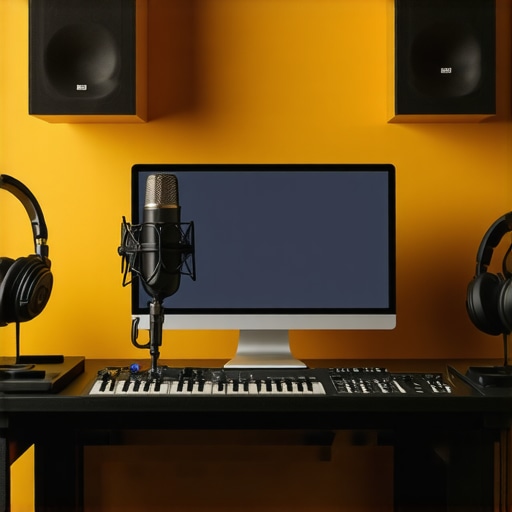
Ever spent hours tweaking your microphone settings, only to end up with a recording that sounds like it was recorded in a tunnel? Or maybe you’ve bought the latest studio headphones, but your audio still lacks that professional clarity? I’ve been there. My first attempts at home recording often left me frustrated, thinking I was missing some secret sauce. It wasn’t until I finally understood the importance of the right DAW software and proper voiceover setup that things clicked. And honestly, it changed everything.
Why Getting Your Audio Setup Right Matters More Than Ever in 2024
In today’s world, where content is king and quality can make or break your reach, the stakes are higher than ever. Whether you’re a content creator, podcaster, or voiceover artist, your audio quality directly influences your credibility and growth. According to a 2023 report from Edison Research, listeners are 60% more likely to stay engaged with content that sounds professional. That’s a huge difference, and it’s why investing in the right gear and mastering your DAW is crucial.
But here’s the catch: with so many options out there, it’s easy to get overwhelmed. I remember diving into the world of audio interfaces and studio headphones, only to realize I’d bought the wrong gear for my needs. I made the mistake of thinking that expensive equipment alone would solve my problems, but I soon learned that setup and software choices matter just as much—if not more. It’s about knowing what works best for your voice, your space, and your goals.
So today, I want to share the knowledge I wish I had when I started. Together, we’ll go through the essential steps to elevate your audio game in 2024, from choosing the right DAW software to setting up your voiceover environment for crystal-clear recordings. Trust me, mastering this can be a game changer. If you’ve ever faced the frustration of muffled recordings or inconsistent sound, keep reading. We’re about to fix that.
Have you ever felt like your audio setup is holding you back?
If so, you’re not alone. Many creators struggle with knowing where to start or what gear truly makes a difference. I’ll help you cut through the noise and focus on what really matters—getting professional sound without breaking the bank. Ready to transform your recordings? Let’s get started.
Choosing the Right Audio Interface for Crystal-Clear Recordings
My first experience with an audio interface was a mess. I bought a cheap one, expecting it to magically improve my sound, but the recordings still sounded dull and noisy. Then I upgraded to a mid-range model, and the difference was night and day. The key is to pick an interface that offers clean, low-latency conversion and enough gain for your microphone. For voiceovers, focus on models with good preamps and a straightforward setup. Check out our best audio interfaces for voiceover setup guide to find the perfect match for your budget and needs.
Optimizing Your Studio Headphones for Accurate Monitoring
Headphones are your window into your audio. I initially used consumer-grade headphones, which misled me into thinking my recordings sounded fine. Once I switched to studio headphones, I realized I was missing crucial details—like subtle sibilance or background noise—that needed fixing. Look for closed-back headphones with flat frequency response; these let you hear the true quality of your recordings. For 2024, the best studio headphones guide will help you select headphones that ensure your voice sounds professional and clear every time.
Setting Up Your Dedicated Voiceover Environment
Creating a controlled space made all the difference. I remember recording in a cluttered room with echo, making my voice sound distant and harsh. After following the voiceover setup essentials guide, I added soundproofing, diffusers, and a proper microphone stand. This not only improved sound quality but also boosted my confidence. Invest in acoustic treatment, avoid reflective surfaces, and position your microphone correctly—these small adjustments lead to big improvements.
Mastering Your DAW Software for Precise Editing
My first attempt at editing was a nightmare—clumsy cuts, inconsistent levels, and background noise everywhere. Learning the ins and outs of my DAW software transformed my workflow. I recommend the best DAW for voiceover editing, which offers intuitive controls and powerful tools. Focus on proper gain staging, noise reduction, and consistent volume levels. Use plugins like EQ and compression wisely to enhance clarity without introducing artifacts. Streamline your editing process with shortcuts and templates to save time and maintain quality.
Practicing Consistent Mic Technique for Better Results
One mistake I made early on was inconsistent mic distance, causing uneven sound. I started using a pop filter and a mic stand to maintain a steady position. Keep the mic about 6-8 inches from your mouth, slightly off-axis to reduce plosives. Practice controlled breathing and diction to produce clearer recordings. Remember, consistency in your technique makes editing easier and results more professional.
Final Tips for a High-Quality Voiceover
Invest in a good microphone—something like a cardioid condenser—since it captures your voice accurately. Use a pop filter to minimize plosives and a reflection filter to reduce room noise. Always record in a quiet environment, and do test recordings to tweak your setup. With practice, your voice will sound natural and polished, matching the quality of top creators. Keep refining your setup and workflow, and you’ll see your audio quality soar in 2024.
Many audio enthusiasts and creators fall into traps by oversimplifying their gear choices or believing in myths that can hinder their progress. Let’s dig deeper into some of the most misunderstood aspects of audio interface, studio headphones, DAW software, podcast editing, and voiceover setups to help you avoid costly mistakes and optimize your workflow.
Are More Expensive Gear Always Better?
A common misconception is that investing in the priciest audio interface or headphones guarantees professional results. While quality gear matters, it’s not the only factor. Often, people overlook the importance of proper setup, calibration, and environment. For example, an expensive audio interface with poor gain staging or a noisy environment can still produce subpar recordings. Focus on gear that matches your specific needs and learn to optimize it—see our audio interface setup tips.
The Twist About Studio Headphones
Many believe that the most expensive headphones are best for monitoring. In reality, studio headphones with flat frequency responses are designed for accuracy, not bass-heavy consumer models. Using the wrong headphones can mislead your mixing, leading to overly bright or dull mixes. To truly hear your audio as it sounds, pick headphones that are tailored for critical listening—check our studio headphones buying guide.
Myth: DAW Software Is Just a Recording Platform
Many think DAWs are only for recording and basic editing. But advanced users leverage features like multi-band compression, spectral editing, and automation to craft professional-sounding content. The true secret is mastering your DAW’s capabilities—see our top DAW software tips for 2024. Skipping this step can leave your audio sounding amateurish, regardless of the gear used.
Podcasts and Voiceovers: The Editing Trap
One hidden trap is neglecting proper editing workflows. Rushing through editing without organization or using inefficient tools can result in inconsistent sound and wasted time. Using templates, shortcuts, and structured workflows—like those outlined in our podcast editing hacks—can elevate your production quality and consistency. Remember, editing is where you refine your raw recordings into professional-grade content.
Are You Overlooking Your Environment?
Another subtle yet critical mistake is ignoring acoustic treatment. A quiet space isn’t enough if it’s full of echo or background noise. Many assume that a simple closet or untreated room will suffice. But professional setups involve acoustic panels, diffusers, and careful microphone placement. For advanced insights, review our voiceover setup essentials that can help you achieve clarity and consistency.
Have you ever fallen into this trap? Let me know in the comments. Remember, mastering these nuances can significantly boost your audio quality and credibility. Keep refining your setup, and you’ll notice the difference in your recordings and audience engagement.
Investing in Reliable Tools for Consistent Results
Once you’ve assembled your ideal setup with a quality audio interface, studio headphones, and your chosen DAW software, maintaining these tools becomes crucial. I personally rely on the voiceover setup essentials guide to ensure my equipment stays in peak condition. Regularly updating your DAW software, like the latest version of top DAW software, guarantees you have access to new features and security patches that keep your workflow smooth and secure.
To keep your audio interface performing at its best, I recommend periodically cleaning contacts and firmware updates from the manufacturer’s website. For headphones, swapping ear pads or foam inserts every year helps preserve sound quality and comfort. These small but consistent maintenance steps extend the lifespan of your gear and prevent unexpected failures during critical recording sessions.
Tools I Trust for Longevity and Performance
Personally, I use a dedicated microfiber cloth to gently clean my headphones’ ear cups and a compressed air can to remove dust from ports and vents. For software, I schedule routine backups of my projects and system restores, which I handle with tools like Time Machine or Acronis True Image. These backups protect against data loss from crashes or corruption, especially when working on large podcast episodes or voiceover projects.
Another tool I swear by is a calibration microphone. It helps me periodically verify the accuracy of my monitors and headphones, ensuring consistent sound reproduction over time. As technology advances, I foresee more integrated maintenance solutions—like smart firmware updates and AI-powered diagnostics—that will make keeping your studio gear in top shape even easier in the future.
How do I maintain my setup over time?
My approach involves a combination of routine cleaning, firmware updates, and environmental controls. For example, I keep my recording space at a stable temperature and humidity, which prevents equipment degradation. Scheduling quarterly check-ins to review and update my software and firmware helps catch potential issues early. Additionally, I set up reminders for replacing worn-out parts like headphone ear pads or cables, which are often overlooked but vital for quality and safety.
Try adopting a proactive maintenance mindset—regularly inspecting and caring for your gear can save you money and headaches down the line. Remember, your equipment is an investment, and like any tool, it requires attention to keep delivering professional results. For more detailed tips and recommended products, explore our privacy policy for insights on data security and gear management.
Don’t forget: consistent, small efforts add up. For instance, dedicating 10 minutes after each session to wipe down your gear or updating your plugins can make a significant difference. As the industry advances, expect new tools and methods—like AI-driven diagnostics—to emerge, making maintenance even smarter and more efficient. Start implementing these habits today, and your studio will remain reliable for years to come!
After countless hours of trial and error, I’ve uncovered some of the most impactful lessons about optimizing your audio interface, studio headphones, DAW software, podcast editing, and voiceover environment. These insights go beyond the basics and reveal what truly makes a difference in achieving professional sound quality.
The Hardest Lesson I Learned About Audio Gear
- One size doesn’t fit all with gear: I once believed that buying the most expensive microphone or headphones guaranteed professional results. It wasn’t until I focused on matching equipment to my specific voice and environment that I saw real improvements. Customization and understanding your unique needs trump price tags every time.
- Setup is everything: Even the best gear can sound dull if not set up properly. I learned that precise gain staging, correct microphone placement, and room acoustics had a far bigger impact on my recordings than I expected.
- Mastering your DAW unlocks creative potential: Initially, I used my DAW software just for basic recording. Diving into advanced features like automation, spectral editing, and multi-band compression transformed my workflow and sound quality. It’s not just about recording; it’s about crafting your audio.
- Acoustic treatment is often overlooked: Recording in a treated space makes your voice clearer and reduces editing time. Investing in soundproofing and diffusers was a game changer for me, turning a cluttered room into a professional studio environment.
- Consistent technique matters: I discovered that maintaining a steady mic distance and practicing controlled breathing created more uniform recordings, making post-production much smoother and faster.
My Go-To Resources to Elevate My Audio Game
- Best Audio Interfaces for Voiceover: I trust this guide for finding interfaces that deliver clean, low-latency sound tailored for voice work.
- Studio Headphones Buying Guide: Choosing the right headphones with a flat response has been essential for accurate monitoring and mixing.
- Best DAW for Voiceover and Podcast Editing: Mastering my DAW’s features helped me craft polished, professional audio content efficiently.
- Voiceover Setup Essentials: Creating a dedicated, treated space was the foundation for my success in producing clear, consistent recordings.
Your Next Step Toward Audio Excellence
Embracing these lessons and resources has transformed my approach to audio creation. I encourage you to experiment with your gear, refine your setup, and dive deeper into your DAW’s capabilities. Remember, the journey toward professional-sounding audio is ongoing, but every step brings you closer to your goals. Don’t settle for good enough—aim for audio that truly resonates with your audience. Ready to elevate your voiceover or podcast game in 2024? Start today, and watch your sound quality soar.
What’s the biggest challenge you face in setting up your audio environment? Let me know in the comments below!
,
http://David%20Harris
This article hits close to home for me. I vividly remember my initial struggles with setting up a home recording environment — constantly battling echo and inconsistent sound quality. What made a real difference was investing in proper acoustic treatment and learning how to calibrate my audio interface correctly. It’s surprising how much small adjustments, like positioning the mic off-axis and managing room noise, can elevate your recordings.
I’ve also found that mastering my DAW software, especially understanding key features like noise gates and automation, really sped up my editing workflow and improved my final product. I wonder, for those just starting out, how do you prioritize which gear or setup aspect to invest in first? Would love to hear some tips from experienced creators on balancing gear upgrades with learning some essential software skills.
http://Emma%20Johnson
This post really hits the mark for me. When I first started recording at home, I underestimated how crucial room acoustics and microphone positioning were. I used consumer headphones, thinking high-end gear was the main key, but I quickly realized that accurate monitoring is fundamental. Upgrading to professional studio headphones really changed my editing game—suddenly, I could hear those tiny background noises or sibilance I wasn’t aware of before.
I’ve also found that taking the time to learn my DAW’s automation features greatly streamlined my workflow, especially for voiceovers. It’s amazing how precise control over volume and effects can elevate the final product. My question is: for those who are just building their setups, what’s the most cost-effective way to prioritize gear and software learning? Should beginners focus on editing skills first or invest in better hardware? Would love to hear your experiences or tips on how to balance these aspects effectively.
http://Sophia%20Bennett
I really relate to this post because I’ve spent hours trying to perfect my voiceover recordings, only to realize that a lot of the issue was in the environment and monitoring setup. Upgrading my studio headphones to a flat response pair definitely made a difference — I could finally hear all the nuances and background noises that needed refining. Also, learning how to use my DAW more effectively, especially automation and noise reduction tools, transformed my workflow and improved my final product significantly.
One thing I’d add is the importance of consistent technique—not just mic placement, but also how you manage your breathing and diction during recordings. These small habits, combined with proper gear and environment, help maintain quality over time.
For beginners, I think the best approach is to start with the basics: good monitoring, a decent microphone, and mastering your DAW’s core functions. What’s been your experience with balancing gear investments versus software skills? Any tips on the first must-have upgrades?
http://Michael%20Andrews
This is a really insightful post that resonates with many of my experiences. I remember my early days of home recording, where I was caught up in trying to get the most expensive gear without understanding how crucial room acoustics and proper setup are. Upgrading my microphones and headphones helped, but it wasn’t until I treated my space and learned the nuances of gain staging and microphone placement that I truly saw a leap in quality. I agree that mastering your DAW is vital—many overlook how powerful advanced editing features can be for polishing final audio. For those just starting out, I’d advise focusing first on learning the fundamentals of your DAW and environment, then gradually investing in quality gear. How do others recommend balancing learning and hardware upgrades to avoid overwhelm?”
http://Jane%20Montgomery
This post really resonates with my own journey in voiceover and content creation. I’ve learned that no matter how good your gear is, your environment and technique are equally crucial. Investing in acoustic treatment, even simple foam panels, has made a big difference for me. I used to struggle with echo and background noise, which made editing a nightmare. Plus, mastering key features of my DAW, especially noise reduction and proper gain staging, helped me achieve a more polished sound.
I completely agree that one shouldn’t overlook the importance of consistent mic technique, like maintaining the same distance and angle, which avoids uneven levels and makes editing much easier. It’s a constant learning process, but I find that setting up a dedicated, treated space and dedicating time to learn my DAW’s advanced features has been the biggest game changer.
How do others here balance investing in high-quality gear versus spending time honing their software skills? Sometimes I wonder if focusing on technique first could save money in the long run.
http://Lisa%20Carter
This post really hits the mark for me. I’ve learned firsthand how critical environment and software mastery are, sometimes even more than having top-tier gear. Upgrading my headphones to a flat-frequency response pair made such a noticeable difference—suddenly I could catch all these subtle background noises and fine-tune my mixes more effectively. I also realized that understanding my DAW’s more advanced features like automation and noise gates really boosted my workflow.
One thing I’ve struggled with is balancing my spending—should I focus more on upgrading hardware or spending time learning the software deeply? I’d love to hear insights from others on what worked best for them early on. Do you think investing in basic but decent equipment while honing software skills offers the best long-term results? Or should I prioritize one over the other initially? Thanks for sharing this comprehensive guide; I’m excited to keep refining my setup in 2024!