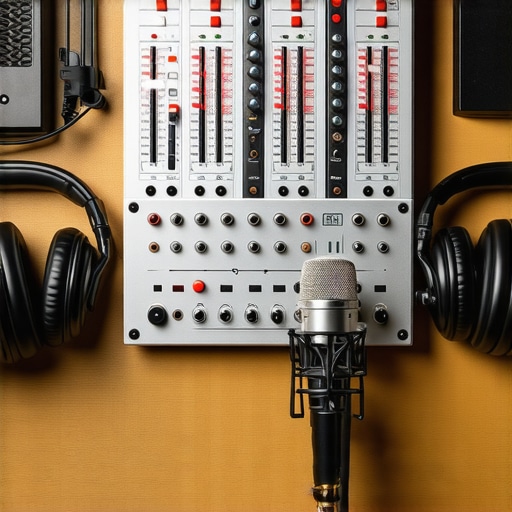
I remember the exact moment I sat in my makeshift home studio, headphones plugged in, ready to record my first episode. As I played back my voice, I was hit with an unsettling realization: despite spending hours tinkering with my microphone and software, the voice coming through my headphones sounded dull, distant, and just plain off. It was a lightbulb moment—my gear wasn’t enough; my setup was incomplete.
If you’ve ever felt that frustration—wondering why your recordings don’t sound as professional as you’d like—you’re not alone. It’s easy to get caught up in upgrading microphones or software but overlook the fundamental elements that truly impact audio clarity—like your studio headphones and audio interface. These are the unsung heroes of quality sound, often underestimated by beginners.
Today, I promise to share insights based on my personal experience and industry standards that will help you elevate your podcast or voiceover recordings. We’ll explore how the right equipment, properly configured, can transform your audio from amateurish to professional-grade.
Why the Right Headphones and Interface Matter More Than You Think
Choosing the best studio headphones and an appropriate audio interface can seem overwhelming. But here’s the truth: without them, it’s like trying to paint a masterpiece with a crayon. You might have the pen, but your tools aren’t suited for detailed work.
When I initially started, I believed that a decent pair of headphones would suffice, but I quickly learned that cheap options also meant compromised sound accuracy. This mistake made my editing a nightmare, as I couldn’t trust what I was hearing. An expert from our community pointed out that budget headphones often lack the frequency response necessary for nuanced editing—something I painfully experienced.
Moreover, your audio interface acts as the bridge between your microphone and computer. It’s responsible for converting analog signals into digital data. Think of it as the unsung hero in your setup—if it doesn’t deliver clean, low-latency audio, the final sound will suffer. For detailed guidance on how to set up your gear for the best results, check out this [comprehensive guide](https://audioediting.editinggearpro.com/audio-interface-studio-headphones-best-setup-tips-2024-2).
In my early days, I made the mistake of opting for a cheap interface just to save money. The result—crackling signals, lag, and a headache during editing. It was a costly lesson that pushed me to invest in quality equipment, which made a world of difference.
If you’re serious about making your podcast or voiceover recordings stand out, understanding the critical role these components play is essential. With the right headphones and a solid interface, you’ll catch subtle audio details during editing and deliver clearer, more professional content.
So, have you faced this problem—products that promise quality but leave your sound lacking? If so, don’t worry. The good news is that with a few strategic upgrades, you can significantly improve your setup.
Stay tuned, because next, I’ll dive into selecting the perfect headphones and interface—how to tell the good from the great, and what features truly matter for your needs.
Select the Right Studio Headphones
Choosing quality headphones is paramount. Look for closed-back designs that isolate sound effectively. I once tested a pair of cheap open-back headphones, which allowed ambient noise to seep in, making editing frustrating. Instead, I invested in a reputable pair from our studio headphones buying guide, which provided accurate frequency response. When unboxing, verify that the ear cups comfortably surround your ears and that the sound signature is neutral, meaning no exaggerated bass or treble—that ensures you hear your recordings as they truly are.
Many podcast creators and voiceover artists fall prey to misconceptions about their setup, believing that upgrading gear alone guarantees professional results. Let’s dissect some of the most pervasive myths and reveal the nuances that often go unnoticed. First, there’s a widespread belief that high-end headphones automatically translate to better audio monitoring. While quality matters, many assume that expensive gear means accurate sound reproduction. In reality, many top-tier consumer headphones are tuned for bass-heavy music, which can mislead you during editing. Instead, opt for neutral, flat-response studio headphones recommended by experts, like those discussed in our studio headphones buying guide.Another common misconception centers around audio interfaces. Many think that if their interface has more inputs and outputs, their recordings will instantly improve. However, the key is quality conversion and low latency, essential for capturing clean recordings and accurate cues. Investing in a reliable, well-reviewed interface like those featured in our audio interface setup guide ensures these technical details are handled correctly. A crucial oversight occurs in podcast editing—many believe that more editing equals higher quality. On the contrary, over-editing can introduce artifacts and diminish authenticity. Effective editing focuses on clarity and naturalness, which can be achieved by mastering your workflow and editing techniques. As for Digital Audio Workstation (DAW) software, some assume that choosing the most popular or expensive option guarantees professional results. Yet, the best DAW depends on your workflow and comfort. Our comprehensive DAW comparison guide helps identify the software that suits voiceover and podcast needs. Now, an advanced question: How can understanding room acoustics influence your choice of headphones and interface? According to an industry study, even minor asymmetries in a room can cause significant sound coloration—meaning your setup’s *perceived* accuracy is affected by environment rather than equipment alone. Thus, near-field monitors and proper acoustic treatment often outperform high-spec gear in untreated spaces. Remember, optimal performance isn’t just about gear but also about how you use and adapt your environment. Have you ever fallen into this trap—thinking that new gear alone will fix your sound? Let me know in the comments! For tailored advice on your setup, feel free to visit our contact page.Maintaining your studio setup is essential to ensure consistent, high-quality audio production. From your headphones to your DAW software, regular upkeep prevents issues and extends the lifespan of your equipment. I personally rely on routine checks and specific tools to keep my gear performing at its best. For example, I use a dedicated cleaning kit for my headphones, which includes microfiber cloths and designated cleaning solutions, to prevent dust buildup and sound degradation. Additionally, I schedule bi-annual firmware updates for my audio interface and DAW software, like updating my DAW to access new features and bug fixes, which can improve workflow stability and sound quality.
The Hard-Earned Truth About Budget Gear
One of the biggest realizations I had was that saving on headphones or interface quality often costs more in the long run through frustration and time-consuming corrections. Investing in reputable brands for studio headphones and a reliable audio interface transformed my workflow, saving me hours and elevating the final sound quality. It’s a reminder that sometimes, paying a little more upfront secures professional results and peace of mind.
I Gave Too Much Weight to Fancy Software
At first, I believed that owning the most expensive Digital Audio Workstation (DAW) would instantly produce better recordings. I later discovered that mastering the software I already had and understanding its nuances made far more difference than price tags. It’s about honing your skills with your tools, not just chasing the newest or priciest options.
Ignoring Room Acoustics Was a Costly Oversight
Initially, I thought high-quality gear alone could compensate for a poorly treated space. My breakthrough came when I realized that acoustic treatment dramatically improved my monitoring accuracy. Combining good gear with a properly designed environment makes a significant difference—don’t overlook your room when aiming for professional-grade sound.
Performance Comes Down to Consistency and Patience
Rushing to purchase new equipment without understanding your workflow led me astray. It’s better to invest time in learning and optimizing your current setup than chasing every shiny new gadget. Patience and continuous learning are your best allies on the journey to professional audio production.
Curated Recommendations for Your Audio Journey
For trusted guidance, I rely heavily on the studio headphones buying guide. It details the features to look for, especially for accurate monitoring. When choosing an audio interface, I personally trust the reviews and tips found in this setup guide, which breaks down the essentials for a studio-quality connection. Additionally, mastering your workflow through these editing hacks helped me accelerate my production process and improve quality.
What’s one upgrade or change you’ve been hesitant to try in your audio setup? Share your thoughts below and let’s grow together!
,
http://Emily%20Carter
Reading your post really resonated with me because I’ve been in the same situation where I thought upgrading my microphone would solve all my sound issues, only to realize later that my headphones and interface made a bigger difference than I expected. I started with budget gear, and it was always a challenge to trust what I was hearing during editing. Since switching to a flat-response studio headphone set and investing in a better audio interface, the clarity and detail in my recordings have improved dramatically. It’s like night and day! I also agree that room acoustics play a crucial role; I finally added some acoustic panels, and that helped me catch subtle nuances I couldn’t before. That leads me to wonder, how many of you have also underestimated the importance of room treatment in your setup? Do you think a good pair of headphones can compensate for a less-than-ideal environment? Would love to hear your experiences and tips on this topic! It’s all about finding that balance and investing wisely to get professional results.