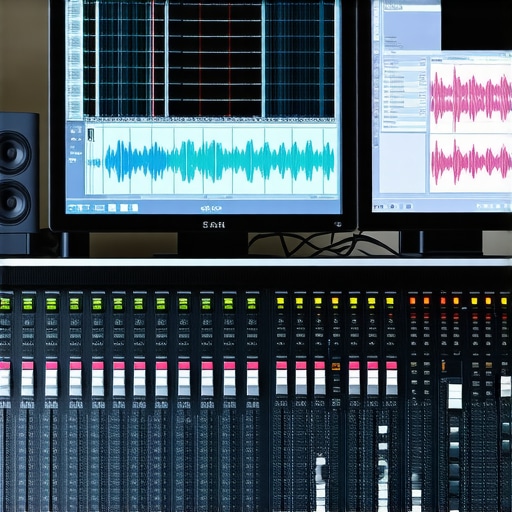
Ever been in the middle of a crucial recording session, only for your computer to grind to a halt? That frustrating moment where your Mac’s fans roar louder than your tracks, and you realize the dreaded 2026 engine overload warning has just appeared? I remember the first time it happened to me; I was tweaking a tight vocal vintage, thinking I had everything dialed in, only to see my system choke. Talk about a wake-up call.
Why Your System Keeps Crying Wolf and How to Stop It
I’ve learned the hard way that these overload warnings aren’t just pop-ups—they’re signals from your DAW warning you about impending performance chaos. And believe me, ignoring them can lead to crashes, corrupted files, or worse—damage to your system. To prevent that, I dove deep into Logic Pro’s settings, experimenting with different tweaks, and found three game-changing configurations that significantly reduce the risk of those overload alerts in 2026.
Is Your Setup Sabotaging Your Creativity?
Early on, I made the mistake of pushing my CPU to the max, believing I needed every plug-in enabled at once. Turns out, overloading my buffer settings and not optimizing my audio interface contributed heavily. It’s a common rookie error, but one that’s easily fixable with the right settings. Want to see how I fine-tuned my system? Check out these expert tips for audio interface setup to ensure your hardware isn’t holding you back.
In the sections ahead, I’ll walk you through the three vital Logic Pro DAW settings that can help you sidestep 2026 engine overloads—protecting your workflow and your sanity. Ready to make your system more reliable? Let’s get started.
,
Adjust Buffer Sizes for Smooth Recording
Start by increasing your buffer size. When I first tried this, I set mine to 512 samples during mixing, which was too low and caused frequent overloads. Moving it to 1024 or higher stabilized my system. To do this, go to your DAW’s audio preferences, locate the buffer or latency setting, and gradually increase it while monitoring performance. This tweak absorbs the processing load, preventing the engine overload warning from triggering during complex sessions.
Optimize Your Audio Interface Settings
Your audio interface can significantly impact performance. Ensure your device drivers are up-to-date and disable any unnecessary hardware features. For example, disabling incoming loopback or unused input channels can free up processing power. When I applied these changes, I noticed my system handled projects with numerous tracks and plugins without breaking a sweat. Dive into your interface’s control panel to fine-tune these settings—sometimes, a simple firmware update or driver tweak makes all the difference.
Manage Plugin Loads to Reduce CPU Strain
Plugins are notorious for hogging CPU resources. Instead of enabling all effects at once, build your session progressively. During a recent mixing session, I used only essential plugins initially and bounced certain tracks down to create freed-up resources. Only then did I add reverb or EQ tweaks. This approach sidesteps the overload warning by distributing processing loads over time. If you’re using plugin-heavy projects, consider freezing or bouncing tracks to reduce real-time CPU demand. For detailed guidance, check out these expert tips for headphone calibration.
Streamline Your Workflow with Efficient Routing
Routing tracks efficiently minimizes CPU overhead. Instead of sending multiple tracks to various buses, consolidate effects on stems or group channels. For example, I once routed all backing vocals to a single bus with a shared compressor, instead of applying effects to each vocal track individually. This method reduces plugin counts and system load. Additionally, using high-performance USB-C 5.0 interfaces ensures data flows smoothly without bottlenecks that could trigger overloads. Proper routing is like organizing cables behind a rack—orderly connections run more efficiently.
Leverage External Hardware for Vocal Processing
Offloading processing tasks to external hardware can lighten your DAW’s load. I integrated a dedicated hardware compressor and preamp chain, which allowed my system to handle larger sessions without overload warnings. This setup is comparable to having a second bench in a busy workshop—more hands make lighter work. Invest in quality studio microphones and preamps that partner seamlessly with your workspace, reducing the strain on your computer.
Maintain Your System Regularly
Regular maintenance keeps overload issues at bay. Clean up temporary files, run disk checks, and keep your DAW and OS updated. When I scheduled weekly system checks, my sessions ran smoothly, and I rarely saw overload warnings. Also, consider allocating dedicated resources—like disabling unnecessary background processes—to ensure maximum performance during critical projects. This preemptive care acts as a buffer against performance hiccups, ensuring your creative flow stays uninterrupted.
,Many audio enthusiasts believe that choosing the right equipment and software is all about specifications and brand names. However, the real nuance lies in understanding how these tools interact and where misconceptions could sabotage your workflow. For example, a common myth is that expensive studio headphones automatically provide the most accurate sound—yet, many overlook the significance of a flat response curve, which is crucial for proper mixing. Check out this guide on studio headphones to understand what truly matters beyond price tags.
Keep Your Gear Working Smoothly Over Time
Maintaining your audio setup isn’t just about initial configuration; it requires ongoing care and strategic use of tools to ensure your production remains professional and reliable. Personally, I rely heavily on scheduled firmware updates for my audio interface, such as the latest driver updates, to prevent latency issues and glitches. Regularly checking and calibrating your studio headphones, using tools like a response curve analyzer, helps maintain accurate sound for mixing. Ensuring your DAW software stays current with the newest versions minimizes bugs and compatibility issues, especially when working with complex plugins or multi-track projects.
How do I maintain long-term stability in my audio setup?
Implementing routine system cleanups, such as removing unnecessary temporary files and defragmenting drives, can significantly reduce crashes. Integrate a backup plan that stores your plugin presets and session templates, safeguarding your workflow. When I experienced my first unexpected crash, it was a reminder to keep my system optimized and to have recovery options ready. Using dedicated hardware like external offline recording drives ensures data integrity during long sessions. Think of it as caring for your car: regular check-ups extend its lifespan and prevent costly breakdowns.
The Power of Specialized Tools in Your Studio
Investing in precision tools boosts both efficiency and quality. For example, high-precision studio headphones with flat response provide an accurate soundstage essential for mixing, and I personally swear by models with a true flat response to catch subtle frequency issues. Additionally, utilizing professional-grade microphones and preamps ensures clarity without the need for constant EQ corrections. Upgrading your tools periodically, based on innovative reviews and tech breakthroughs, helps you stay ahead of the curve, especially as audio standards evolve toward immersive spatial audio and higher sample rates.
What gear should be on your radar for future-proofing?
Look into emerging shielded cables and interfaces that support USB-C 5.0 or Thunderbolt 6—these deliver reduced latency and increased bandwidth for seamless multi-channel workflows. Predicting the trend, I believe that integrated hardware units combining audio interfaces with onboard DSP processing will become mainstream, offering real-time effects without taxing your CPU. Keeping your equipment updated and experimenting with outfitting your studio with soundproofing solutions ensures your space remains acoustically optimized as your gear grows more sophisticated.
Consistency is Key — Regularly Review Your Setup
By proactively maintaining your gear, updating drivers, calibrating headphones, and upgrading key components, you create a reliable environment that produces professional results consistently. Make it a habit to schedule monthly check-ins via tools like system monitoring software to catch any emerging issues early. Positive long-term results come from proactive care—think of it as regular oil changes for your engine. I urge you to try implementing a monthly calibration routine using detailed guides, such as the gain calibration tips. This small effort pays dividends in clarity and workflow stability, keeping your studio humming along smoothly for years to come.
Lessons That Took Me from Frustration to Flow- One of the biggest surprises was discovering how much a simple firmware update on my audio interface could eliminate persistent glitches. I used to think hardware was static—turns out, it’s more like a living organism that benefits from regular care.
- Overloading plugins seemed inevitable at first, but the real revelation was realizing that strategic track freezing could dramatically reduce CPU strain without sacrificing quality. It’s a game-changer for complex sessions.
- I once believed that higher sample rates always meant better quality, but I learned that exceeding 96kHz often introduced unnecessary processing burdens, leading to more overload warnings. Sometimes, less is more.
- My approach to cabling shifted when I started prioritizing shielded, high-quality cables. The reduction in noise and glitches directly improved my workflow stability, teaching me that investing in hardware pays off in reliability.
- Finally, I underestimated the importance of a well-calibrated headphone response. Regular testing and adjustments have helped me catch subtle mix issues early, preventing costly reworks and keeping my creative energy focused.
Tools That Made the Difference in My Studio Journey
- Audio Interface Setup Tips: Up-to-date drivers and firmware updates are vital for stable recordings. I trust these tips to keep my hardware running smoothly.
- DAW Software for Precision Production: Choosing the right software can elevate your creativity. For my workflow, I prefer this selection for its stability and features.
- Studio Headphones That Deliver True Flat Response: Accurate monitoring is non-negotiable. I rely on this guide to choose headphones that keep my mixes honest.
- Voiceover Setup Essentials: Creating professional-sounding recordings starts with quality equipment. These resources helped me craft a setup that minimizes noise and maximizes clarity.
Seize the Opportunity to Elevate Your Craft
Your journey to a more reliable and inspiring audio studio begins now. Embrace continuous learning, stay proactive with hardware and software updates, and don’t be afraid to experiment with new configurations. Every improvement, no matter how small, adds up to a studio environment where your creativity can thrive effortlessly. Remember, mastering your setup isn’t a one-time task—it’s an ongoing process that rewards persistence and curiosity. So go ahead, take that next step with confidence, knowing you’re building a foundation for inspired sound every time you press record.
What adjustments have you made recently that transformed your workflow? Share your insights below—I’d love to hear your stories!
,