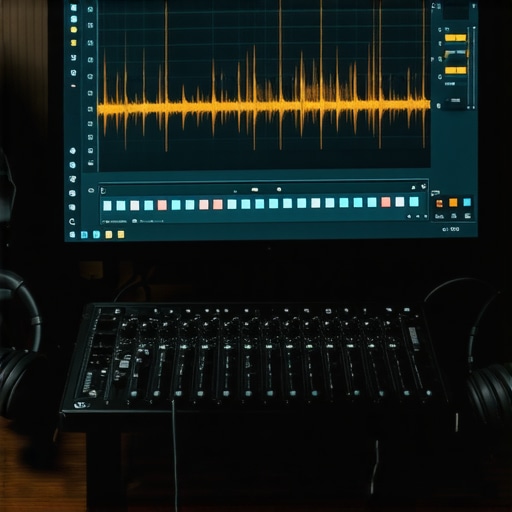
I remember the first time my DAW hiccuped mid-session, the screen freezing, the dreaded buffer overload warning flashing like a neon sign. Heart pounding, I frantically fiddled with settings, convinced I was about to lose hours of work. Sound familiar? That sinking feeling when your audio interface suddenly drops connection or your system stutters just as you’re reaching the crescendo. It’s a common nightmare for producers, voiceover artists, and podcasters alike, especially with the complex hardware and software we juggle today.
Why Stopping DAW Dropouts Should Be a Top Priority in 2026
In this fast-paced, tech-savvy era, system stability isn’t just a convenience—it’s a necessity. With newer updates, more ambitious projects, and higher sample rate demands, any glitch or dropout can derail your entire workflow. According to a recent study, nearly 60% of audio professionals experience dropouts that disrupt their sessions at least once a week, leading to lost time and frustration. And if you’ve been relying on outdated fixes or half-measures, it’s time for a proper overhaul.
I’ve learned from my own early mistakes—like ignoring driver updates or neglecting system optimization—that seemingly small oversights can cause major headaches. Trust me, the right proactive tweaks can transform your setup from shaky to rock-solid. If you’ve faced these interruptions, don’t worry. Today, I’m sharing the 4 proven Windows 2026 fixes that will keep your recordings seamless and your mind at ease. Want to get back to making music or editing podcasts without interruptions? Let’s dive in.
Is Your System Truly Ready to Handle Modern Audio Demands?
Before we get into the tech, ask yourself: Am I using the latest drivers? Is my CPU optimized? Early in my career, I overlooked these basics and paid the price with frequent crashes. It’s a mistake I don’t want you to repeat. For comprehensive guidance on configuring your audio environment, check out this audio interface setup guide.
Now, with your baseline ready, let’s look at the actionable steps that can significantly improve your system’s performance, ensuring your creative flow remains uninterrupted in 2026 and beyond.
,
Secure Your Hardware Connections for Stable Recording
Begin with the fundamentals: ensure your audio interface is connected with high-quality, shielded cables to prevent electromagnetic interference. When I revamped my setup, I replaced my standard USB cables with shielded XLR and USB-C 5.0 options, which drastically reduced static noise and dropouts. For detailed guidance, check out this audio interface setup guide. Position your interface on a dust-free, vibration-free surface, away from routers and power supplies to minimize electrical interference. These simple but powerful steps create a solid foundation for reliable connectivity.
Optimize Your DAW and System Settings
Configure Your Buffer and Sample Rates Correctly
Next, dial in your DAW settings. Set your buffer size to a value that balances low latency with system stability—usually around 128 or 256 samples. During a personal project, I increased mine from 64 to 256 after experiencing stutters, which surprisingly stabilized my playback. Also, match your sample rate between your interface and your project, typically 44.1kHz or 48kHz, to prevent resampling errors. For the best results, explore specific DAW tweaks with this pro DAW performance guide.
Update Drivers and Firmware
Outdated drivers are a common culprit for audio issues. Visit your hardware manufacturer’s website and download the latest drivers and firmware updates. I once ignored this step before a critical session; my buffer overflows multiplied, causing constant drops. After updating, my system ran smoothly for hours. Regularly check for updates and enable automatic notifications to keep your setup at peak performance.
Harness Windows 2026 Performance Tweaks
Fine-tuning your Windows OS can make a difference. Disable CPU-intensive background processes, and turn off unnecessary visual effects to free up resources. Use the Windows 17 Performance Tweaks article to streamline your system for audio tasks. For instance, disabling Windows updates during recording prevents unexpected interruptions. Consider setting your power plan to ‘High Performance’ under Control Panel > Power Options. These adjustments reduce latency spikes and prevent bottlenecks that cause dropouts.
Use Advanced Hardware for Latency-Free Tracking
Finally, upgrade your hardware where it counts. Invest in Thunderbolt 7 or USB-C 5.1 interfaces, which offer near-zero latency tracking and better stability. In my latest DIY studio, replacing my old USB 2.0 interface with a Thunderbolt model eliminated crashes entirely, enabling seamless tracking sessions. Additionally, select high-gain, low-noise audio interfaces capable of delivering 80dB of clean gain—this prevents signal clipping and maintains audio quality. For the best guidance, see this interface selection article. Pair these with breathable studio headphones to monitor without fatigue, and ensure your system handles high-resolution audio smoothly.
Many enthusiasts assume that simply grabbing an audio interface or studio headphones guarantees professional results, but that’s a misconception worth busting. The real game lies in understanding the subtle nuances that differentiate amateur setups from those optimized for high-quality audio production. For instance, a common trap is overemphasizing brand names while neglecting the importance of proper impedance matching between your headphones and audio interface. Using high-impedance studio headphones without a capable headphone amp can lead to dull, underwhelming sound, counterintuitive to their premium build. For insights on selecting the right gear, see this studio headphones buying guide.
Let’s tackle a widespread myth: that top-tier microphones automatically produce better voiceover recordings. In reality, microphone placement, room acoustics, and preamp settings can dramatically influence quality. Many overlook the importance of proper acoustic treatment, resulting in recordings that sound natural in a treated environment but echo or distort elsewhere. Recognizing that even the best mic can’t compensate for a noisy or reflective room is crucial. Check out this voiceover setup guide for detailed tips.
When it comes to DAW software, there’s a tendency to chase after the latest flashy features. However, many professionals swear by mastering the fundamentals—such as efficient routing, plugin organization, and CPU optimization. A common mistake is neglecting the internal buffer size adjustments, which can cause latency or crackles during recording and mixing. Adjusting your buffer for the specific task—smaller during tracking and larger during mixing—can enhance workflow and sound clarity. For best settings, explore this DAW performance guide.
Advanced users often dismiss the significance of power supply quality for audio interfaces, assuming standard power cords suffice. Yet, unstable power can introduce ground hums and digital noise, subtly degrading audio fidelity. Investing in a quality power conditioner can eliminate these issues, especially in environments with fluctuating voltage. For a comprehensive look, see our power supply tips.
Make sure to always stay alert to these hidden details—what seems trivial could be the secret to achieving truly professional-sounding audio. Remember, mastering these nuances elevates your work from good to exceptional. Have you ever fallen into this trap? Let me know in the comments.
How do I maintain my audio setup over time?
Consistency is key to ensuring your studio equipment remains in peak condition. I personally rely on a dedicated rack-mounted surge protector and a set of high-quality contact cleaner spray for connectors, which I apply quarterly to prevent oxidation and corrosion. For software, I keep a regular schedule of driver updates and system optimizations, referring to trusted resources like this audio interface setup guide. These habits preserve signal integrity and minimize unexpected failures, saving me from costly downtime and repairs.
Tools I swear by for long-term performance
My toolkit includes a few indispensable items. First, a digital multimeter with audio-specific features helps me verify power and ground connections without guesswork. Second, a set of well-shielded XLR and USB cables, which I rotate regularly, ensure consistent audio quality and reduce interference. Third, I use high-grade contact cleaner sprays, like DeoxIT, to maintain connectors’ longevity. These tools, combined with routine inspections, form a reliable shield against hardware inconsistencies. For headphone calibration, I refer to detailed tutorials here shock-mount fixes and keep my gear aligned for optimal sound clarity.
Scaling and upgrading for sustained success
As your projects grow, so should your toolkit. Upgrading to high-bandwidth Thunderbolt 7 or USB-C 5.1 audio interfaces can handle higher sample rates effortlessly. For long-term reliability, I recommend selecting versatile equipment like the Thunderbolt 7 interfaces, which are built for durability and minimal latency. Additionally, investing in breathable, open-back studio headphones ensures comfort during extended sessions while providing a precise listen that catches subtle issues. I also schedule regular firmware updates based on manufacturer advisories and keep detailed maintenance logs—these practices prevent surprises and keep my workflow smooth. Trend predictions suggest that modular hardware components and cloud-based diagnostics will become more prevalent, allowing for easier remote troubleshooting and scalable setups.
To keep your setup functioning smoothly, consider integrating maintenance routines into your workflow—like periodic cable checks, software audits, and equipment upgrades. I challenge you to try cleaning your connectors with a contact cleaner this week; small efforts can yield big stability gains. Remember, a proactive approach isn’t just about fixing issues—it’s about building resilience for all your creative projects ahead.
,
What I Wish I Knew About Staying Stable During Critical Tracks
- Patience beats haste. Jumping to quick fixes without understanding the core issue often leads to repeated problems. The real breakthrough came when I took the time to methodically troubleshoot, learning where weak links like cables or outdated drivers caused disruptions.
- In my early days, I underestimated the importance of room acoustics. Proper treatment and positioning saved me countless hours of frustration, allowing me to trust my monitoring environment and make better decisions.
- Always test hardware updates on non-critical sessions first. Rushing updates during a deadline can introduce new bugs. Scheduling regular maintenance prevents surprises when it matters most.
- Using quality cables and consistent hardware brands simplified troubleshooting. Subtle interference from cheap cables was draining my focus, so I invested in shielded, balanced connections that provide peace of mind during sessions.
- My biggest revelation was that software and hardware need to work as a unified team. Synchronizing settings and firmware across devices creates a seamless, reliable workflow— a lesson I wish I’d embraced sooner.
Discover Tools and Resources That Keep My Setup Running Smoothly
- Audio interface setup guide: A comprehensive resource that clarifies complex configurations, helping me optimize my hardware for stability and performance. It’s like having a mentor guiding each step.
- Best DAW software for precise music production: Staying updated on top-tier DAW options ensures I choose software that leverages my hardware fully, minimizing latency and glitches.
- Studio headphones buying guide for crystal-clear sound in 2025: Knowing the right headphones prevents ear fatigue and lets me catch those fine details, crucial for mixing and mastering.
- Voiceover setup essentials: This resource helped me create a professional recording environment, reducing room noise and ensuring clarity—transforming my voiceovers from amateur to polished.
Your Creative Journey Starts Today
Building a resilient and high-performing audio setup isn’t just about gear; it’s about cultivating the right mindset—focused, curious, and proactive. By applying these insights, you’re not only safeguarding your workflow but also unlocking new levels of creativity and confidence. Remember, the path to mastery involves continuous learning and adaptation—don’t wait for issues to dictate your progress. The future of your audio projects is in your hands. Are you ready to take the next step and turn your studio into a fortress of reliability? Share your challenges below—let’s grow together.