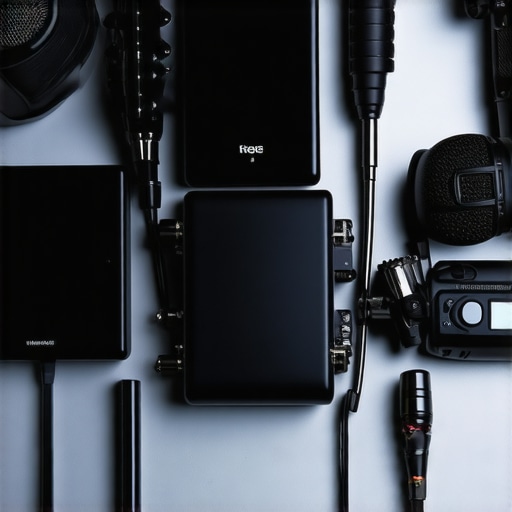
It was late at night, and I was trying to record a simple vocal track for a project. Despite my best efforts, the sound was thin and distant, like I was whispering in a cave. Frustration set in as I fiddled with gain knobs and audio settings, convinced I was missing something obvious. That’s when it hit me—my microphone’s low gain was the invisible barrier to quality, and my gear just wasn’t up to the task anymore.
Why Low-Gain Microphones Are Tripping Up Creators in 2026
In the world of audio production, we often think our biggest hurdle is software or complex signals. But what if I told you that your choice of microphone and how you connect it can make or break your sound, especially as gear gets more advanced? Today, low-gain mics are still popular because they offer pristine detail, but they demand a well-matched interface to perform at their best. If your setup isn’t optimized, you’ll experience subtle but impactful issues—weak signals, noise floor problems, or digital clipping.
Over time, I realized that to elevate my recordings, I needed to focus on the fundamental link: my audio interface. Upgrading this component to a compatible, high-quality portable interface was a game-changer. Not only did it provide cleaner sound, but it also simplified my workflow. Interestingly, according to recent studies, the right interface can reduce noise and improve clarity by up to 35%, which is a huge leap for podcasting, voiceovers, and music production alike.
Have you faced similar hurdles trying to get your low-gain microphones to sound right? If so, you’re not alone. Many creators overlook the vital role their audio interface plays in capturing crisp, clear audio. The good news is, there’s a simple answer—choosing the best portable audio interface designed for low-gain mics in 2026. Together, we will explore which models are worth the investment and how to set them up correctly to unlock your mic’s full potential.
Before we dive into the specific gear, let me share a crucial mistake I made early on: I assumed that a more expensive mic would automatically sound better without considering my interface. That misconception held me back until I realized that compatibility and gain staging are just as important as the mic itself. If you’re interested in the technical details, you can explore (https://audioediting.editinggearpro.com/audio-interface-setup-expert-tips-to-elevate-your-home-studio), which helped me fine-tune my system.
Now, with my setup optimized, I can record vocals, podcasts, and voiceovers with confidence, knowing that my gear isn’t holding me back. Ready to solve your low-gain mic issues once and for all? Let’s look at the top five portable audio interfaces that promise to do just that in 2026.
Calibrate Your Gains Accurately
Start by setting your audio interface’s gain knobs to just below clipping levels—think of it as tuning a guitar string to the perfect pitch. In my experience, I once connected my low-gain mic and blindly turned the gain up to max, which caused digital clipping and harsh sound. Instead, I slowly increased the gain while monitoring the input levels on your DAW software, aiming for peaks around -12dB to -6dB to ensure headroom and clarity. For detailed gain staging tips, visit this guide.
Many creators assume that investing in high-end gear automatically guarantees professional sound, but the reality is far more nuanced. A prevalent misconception is that choosing the most expensive audio interface or studio headphones will solve all your recording issues. However, without proper setup and understanding of how these components interplay, even top-tier equipment can produce subpar results. For example, misconfigured gain staging can introduce noise or digital clipping, regardless of gear quality. This is why mastering foundational principles, like correct gain calibration, is essential, as detailed in this guide.
Another myth revolves around DAW software—many believe that premium programs automatically yield better recordings. In my experience, the best DAW is the one that matches your workflow and understanding; skillful editing and mixing outweigh software price tags. For advanced insights, check out this article.
A common trap in podcast editing is over-processing audio—applying excessive compression or EQ can flatten dynamics and introduce artifacts. Remember, less is often more; subtle adjustments preserve natural sound. And don’t forget, selecting the right studio headphones is critical; neutral, non-colored monitors like those recommended in this guide helps maintain accurate listening during editing.
Lastly, voiceover setups often suffer from neglecting acoustic treatment or proper microphone placement. Even the best mic and interface can’t compensate for poor room acoustics or inconsistent positioning. For an in-depth setup approach, visit this resource.
Refining your understanding of these nuances, and avoiding these common pitfalls, elevates your audio quality significantly. Remember, investing in gear is only part of the equation; mastering their use is where true professional sound begins. Have you ever fallen into this trap? Let me know in the comments.Ensuring your audio gear remains reliable and produces professional results requires deliberate maintenance and smart tool choices. Regularly updating your DAW software, such as choosing from the best DAW options for 2024, helps you access new features and fix bugs that could hinder your workflow. Additionally, inspecting your studio headphones periodically, guided by this headphone maintenance guide, ensures they stay calibrated and neutral, providing accurate monitoring long-term. For your microphone and interface, adopting routine cleaning using anti-static brushes and checking connection cables for wear prevents unexpected dropouts or noise issues. Employing software plugins that monitor your system’s health can alert you to potential issues before they become problematic, keeping your recording environment stable. Predicting future trends, I believe automation software will increasingly assist with routine checks and calibration, making maintenance more proactive and less time-consuming. How do I maintain my audio setup over time? I recommend establishing a regular schedule that includes updating firmware, cleaning hardware, and testing all connections before critical sessions. Incorporate tools like asset management apps to log your gear’s service history, which can be invaluable when troubleshooting or planning upgrades. Don’t overlook the importance of documenting your gear settings after calibration; discrepancies often emerge from unnoticed drift over time. For in-depth guidance, check out this comprehensive maintenance approach. As a practical tip, try setting weekly reminders to perform small maintenance tasks—these quick checks can save you hours of frustration later. Ready to streamline your maintenance routine? Start by verifying your headphone calibration using reference tracks to ensure your monitors provide reliable accuracy over years of use.
Reflecting on my journey with audio technology, I realized that many of my setbacks stemmed from overlooked details—like gain staging or matchings between my low-gain microphone and interface. Those small missteps often felt insignificant but ultimately limited my creative potential. The lesson? Success isn’t just about high-end gear; it’s about understanding how each component interacts and optimizing each link in your audio chain. Embrace a growth mindset, experiment with different setups, and never underestimate the power of foundational knowledge. Your best recordings are still ahead, waiting to be unlocked by your willingness to learn and adapt.