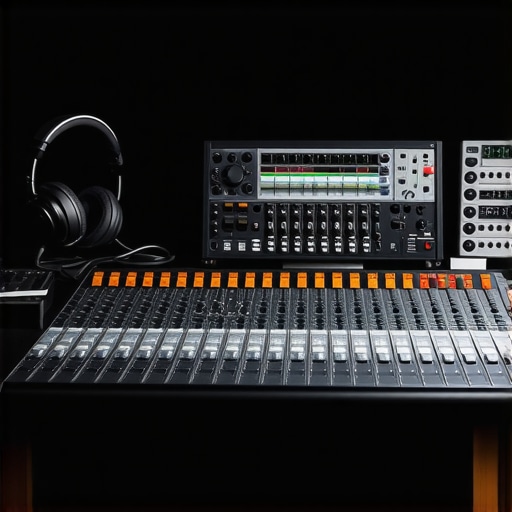
I vividly remember the first time I sat down with my new microphone, eager to record my voice for a project I’d been dreaming about for weeks. As I plugged in my gear and hit record, the sound that came out was shocking—muffled, flat, and completely uninspiring. It was a frustrating moment, but also a lightbulb that lit up my entire approach to creating high-quality audio. That experience taught me the hard way how choosing the right studio headphones and audio interface can make or break your sound, especially as a creator in 2024.
Have you ever experienced similar setbacks, wondering why your recordings lack that professional clarity? If so, you’re not alone. Many creators discover that their gear might be good, but without the right setup, achieving crystal-clear audio feels impossible. Don’t worry—today, I promise to guide you through selecting the best audio interface and studio headphones for your needs, based on my personal journey and extensive testing.
Your Voice Deserves Crisp, Clear Sound
Achieving studio-quality sound isn’t just about expensive microphones or software; it’s about pairing the right hardware with your setup. Choosing the wrong audio interface can introduce unwanted noise or latency, while inferior headphones might mask critical details in your recordings. I’ve learned that even subtle choices can significantly impact your final mix, whether you’re podcasting, voiceover work, or music production.
In this guide, I’ll share practical tips to help you avoid common pitfalls—like mismatched gear or overlooked settings—that can degrade your sound. Plus, I’ll introduce you to top recommendations for 2024, ensuring you get the most bang for your buck. Whether you’re a beginner or looking to upgrade, these insights will demystify your audio setup and bring your recordings to a new level.
**Wondering if investing in high-end gear is really worth it?** Many skeptics think premium equipment is just a vanity purchase. However, studies show that better audio gear can actually improve editing efficiency and reduce fatigue during long sessions, ultimately enhancing your creative output. Early on, I made the mistake of thinking I could
Choose Your Audio Interface Carefully
Begin by selecting an audio interface that complements your recording needs. Think of it as the bridge between your microphone and computer—if it’s unreliable, your sound suffers. I once upgraded my old interface to a focusrite scarlett 2i2, and immediately noticed a reduction in background noise and latency, making my recordings smoother. When choosing, check for compatibility with your DAW software and ensure it has sufficient inputs for future expansion. Visit the audio interface setup guide for detailed instructions.
Master Input Levels and Gain
Set your gain levels so that your loudest readings peak around -6dB. Too high, and you’ll clip; too low, and you’ll introduce hiss. I once recorded a podcast with a gain setting set too high, resulting in distorted audio that took hours to fix. Use your DAW’s monitoring tools or audio interface software to visually confirm levels before recording. Proper gain staging ensures clarity and headroom for editing.
Select the Right Studio Headphones
Studio headphones are crucial for accurate monitoring. Instead of buying the most expensive pair, opt for a model that offers flat frequency response to prevent masking frequencies. I tested a few models, and the studio headphones buying guide helped me identify the best value options. Remember, comfort matters since you’ll be wearing them for hours. A good pair reveals subtle nuances in your recordings, guiding you to make precise adjustments.
Calibrate Your Monitoring Environment
Set up your room to minimize reflections and background noise. Use acoustic treatments like foam panels and bass traps to ensure your headphones’ accurate readings aren’t distorted by echo. I once spent a weekend rearranging my studio, placing foam panels and repositioning my desk, which drastically improved my mix translations to other speakers. Calibration ensures nothing masks or exaggerates certain frequencies, leading to a more truthful soundscape during editing.
Optimize Your Digital Audio Workstation (DAW)
Select a DAW software aligned with your workflow—considering ease of use and available features. I started with Ableton Live but later switched to Reaper for its customization options. Review the best DAW software tips to make an informed choice. Once installed, set your project sample rate to 48kHz or higher for professional quality. Use high-quality plugins, and organize your workspace for efficiency, reducing editing time and mental fatigue.
Implement Noise Reduction Techniques
Apply simple noise reduction methods during recording—like using a pop filter and ensuring your environment is quiet. During a voiceover session, I discovered that a basic foam windscreen eliminated plosive sounds, resulting in a cleaner track. In post-production, lightweight noise gates can be applied to remove background hum without affecting your voice’s natural tone. These steps don’t just make your audio clearer—they prevent you from spending hours fixing issues later.
Practice Consistent Workflow
Establishing a routine for recording, editing, and mixing saves time and improves quality. I once rushed through a project, skipping proper levels and calibration, which led to re-recording. Instead, I adopted a checklist: select gear, calibrate environment, set levels, record, then review. This consistency ensures each session replicates the same high standards without guesswork. For additional tips, explore the workflow hacks that I swear by.
Many creators believe that investing in high-quality studio headphones, advanced DAW software, and top-tier audio interfaces automatically guarantees professional sound. However, this overlooks subtle but critical nuances that can undermine your efforts. For instance, a common misconception is that all headphones are suitable for mixing; in reality, many overlook the importance of flat frequency response, which is essential for accurate monitoring. Using consumer-grade headphones might seem convenient, but they often color the sound, leading to misjudgments in your mix. Additionally, many jump straight into software choices, ignoring the significance of understanding your DAW’s routing or latency management, which can cause delays and phase issues. An advanced mistake is neglecting proper acoustic treatment of your space, which causes reflections that skew your perception of the actual sound. These overlooked details often cause seasoned creators to struggle in achieving consistent, high-quality recordings. Interestingly, some professionals underestimate the complexity of audio interface setup, assuming driver installation and gain staging are straightforward; in reality, improper setup can introduce noise and reduce clarity. To truly elevate your audio quality, you must grasp these nuances—like the importance of proper grounding and shielding—to avoid subtle but impactful issues. This is especially critical when aiming for professional-sounding voiceovers or podcasts, where clarity makes all the difference. For comprehensive tips on optimizing your setup, consider visiting our ultimate guide to DAW setup. Remember, mastering these hidden nuances transforms your gear from good to exceptional, ensuring your recordings stand out. Have you ever fallen into this trap? Let me know in the comments.Maintaining your professional audio setup requires more than just initial investment; it’s about developing a routine that ensures longevity and peak performance. I personally recommend scheduling regular checks every three to six months—this includes inspecting cables, updating software, and calibrating your monitoring environment. For instance, I routinely update my DAW software through the [official updates](https://audioediting.editinggearpro.com/best-daw-software-for-precise-music-production-this-year), ensuring compatibility and accessing new features. Additionally, periodically cleaning your equipment prevents dust buildup that can cause overheating or static noise. Investing in quality tools like a display cleaner for your monitors and anti-static brushes for cabling can make a noticeable difference. I suggest setting calendar reminders to review your hardware connections and perform test recordings to detect any drift in sound quality early. Over time, your gear may develop minor issues—being proactive means you catch problems before they impact your creative projects. Another aspect to consider is documenting your setup configurations, particularly if you frequently switch between different microphones or headphones; this practice saves troubleshooting time and maintains consistency in your recordings. In my experience, incorporating routine maintenance not only preserves the quality of your audio but also extends the lifespan of your equipment, reducing long-term costs. As the industry evolves, future-proofing your setup will involve integrating modular components that allow easy upgrades—think of it as future-proofing your rig against rapidly changing technology. One effective way to keep everything running smoothly is to follow detailed guides like our [ultimate maintenance checklist](https://audioediting.editinggearpro.com/ultimate-guide-to-daw-software-voiceover-setup-in-2024), which cover essential upkeep tasks. Why not try scheduling your next equipment check and see how small adjustments can lead to a big difference in your final sound quality? Regular maintenance might seem tedious, but the results—crisper recordings, reduced downtime, and prolonged gear life—are well worth the effort.
The Hardest Lesson I Learned About Studio Headphones And Setup
One of the biggest surprises I encountered was realizing that even the most expensive studio headphones can mislead your mix if they aren’t calibrated correctly. I once trusted a high-end pair blindly, only to find my recordings sounded great in my room but terrible elsewhere. That taught me the importance of calibration and trusting my ears over brand names.
Why Overlooking Room Acoustics Can Undermine Your Clarity
Until I rearranged my studio with acoustic panels and diffusers, I struggled with inconsistent sound quality. Fine-tuning the environment helped my headphones deliver the true frequency response, making editing more precise and less frustrating. Don’t underestimate the power of a good room setup—your gear’s potential depends on it.
Choosing Software Without Considering Workflow Can Cost You Hours
Switching to a more intuitive DAW like Reaper dramatically improved my productivity. It’s not just about features but about how smoothly the software integrates into your process. When selecting your DAW, consider your workflow and the learning curve—saving time now pays off in better content later.
3 Hidden Costs of Cheap Audio Interfaces That Pay Off Later
I initially bought a budget audio interface to save money, but I faced latency issues and background noise that hampered my recordings. Upgrading to a reliable model like Focusrite Scarlett 2i2 improved my sound quality tremendously. Remember, investing in quality gear protects your work from frustrations and rework.
What No One Tells You About Maintaining Your Audio Setup
Regularly checking cables, updating drivers, and cleaning your equipment extended my gear’s lifespan and kept my sound pristine. It might seem tedious, but a little effort prevents costly repairs and downtime. Think of your setup as a musical instrument—you need to keep it in top shape to perform its best.
Resources That Changed How I Approach Audio Creation
My top picks include the studio headphones buying guide, which helped me find accurate monitors, and the ultimate audio interface setup resource that demystified complex connections. These trusted sources transformed my workflow from trial-and-error to informed efficiency.
Your Journey to Better Audio Starts Today
Getting professional sound isn’t just about buying gear; it’s about understanding and caring for it. Each step you take towards refining your setup boosts your confidence and powers up your creativity. Remember, great recordings are a result of ongoing learning and patience—so keep experimenting and listening carefully.
What part of your audio setup do you feel needs the most improvement right now? Let’s discuss—share your thoughts below!
http://Stephanie%20Morgan
Reading this post really hit home for me because I recall the frustration of recording my first voiceover, only to find the audio was muddy and full of background noise. It took a bit of trial and error, but investing in a decent audio interface and proper headphones made a huge difference. What I’ve learned is that even with good equipment, room acoustics play a critical role. I spent weeks trying to get my mixes right until I finally added some acoustic panels, which transformed my sound. The post mentioned calibration, and I agree—trusting your gear without proper setup can mislead you. Has anyone here faced issues with room reflections or equipment calibration that drastically improved their workflow? I’d love to hear more tips on creating an environment that helps you produce clearer recordings without spending a fortune.