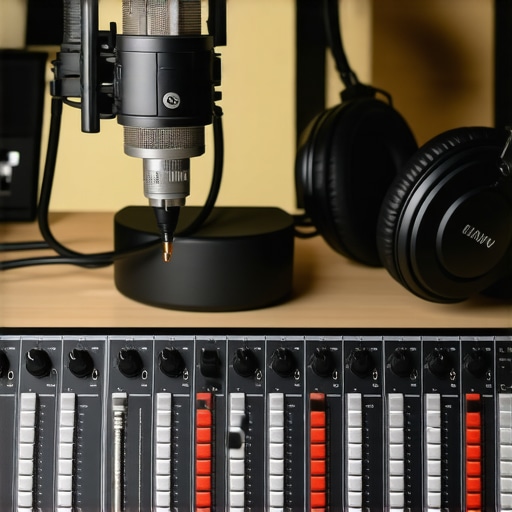
Have you ever recorded a voiceover only to find that your audio sounds flat, muffled, or just plain unprofessional? I’ve been there—spending hours trying to fix poor sound quality, only to realize that my setup was the real culprit. That frustrating moment when I finally understood that my equipment and configuration could make or break my content’s quality was a game changer.
Why Your Voiceover Quality Matters More Than Ever in 2024
In today’s competitive content landscape, audio quality isn’t just a nice-to-have; it’s essential. Whether you’re creating YouTube videos, podcasts, or voiceovers for clients, your sound needs to be clear, professional, and engaging. A subpar audio setup can instantly turn off your audience and diminish your credibility. According to a recent study, 70% of viewers are less likely to watch content with poor audio quality (source: Audio Editing Guide).
Early on, I made a critical mistake—using a generic microphone with no audio interface, which caused latency issues and inconsistent sound. It wasn’t until I invested in the right audio interface and learned proper setup techniques that my recordings improved dramatically. It’s a learning curve, but the payoff is worth it.
Are Audio Interfaces & Voiceover Setups Overhyped?
One of my biggest fears was whether all this equipment was just unnecessary hype. Would upgrading really make a difference? I can tell you from experience—YES. When I finally chose the right audio interface and learned how to set it up properly, my sound was instantly more professional. If you’re skeptical, I recommend checking out the detailed guides on DAW software and gear reviews to see why creators swear by these upgrades.
So, if you’ve been struggling with your audio or simply want to elevate your voiceover game in 2024, this guide is for you. We’ll cover everything from selecting the best equipment to setting it up like a pro—so you can focus on creating content, not fixing sound issues.
Selecting the Right Audio Interface and Equipment
My first step was choosing an audio interface that matched my needs. I remember spending an entire afternoon researching options. I looked for reviews on top audio interfaces to ensure I picked a device capable of delivering clear, professional sound without latency issues. A good analogy is picking a high-quality pipeline; it needs to be sturdy and efficient to deliver the sound smoothly.
Once I selected my interface, I connected my microphone and headphones, paying close attention to the input and output settings. Think of this step like setting up a water filter—every connection and setting impacts the final output. I made sure to set the sample rate to 48kHz and the bit depth to 24-bit for optimal quality, following tips from audio interface setup guides.
Configuring Your Microphone and Environment
Microphone Placement and Settings
I placed my microphone about 6 inches from my mouth, slightly off to the side to avoid plosive sounds. It’s like positioning a camera lens—angle and distance matter greatly. I experimented with gain levels, starting low and gradually increasing until my voice sounded natural without clipping. I used a pop filter, which is like a shield that prevents those harsh bursts of air from ruining the recording.
Creating a Sound-Friendly Environment
To prevent echoes and background noise, I set up a dedicated recording space with foam panels and blankets. Think of this like building a mini sound booth—each piece absorbs unwanted reflections, making your voice clearer. I also turned off fans and other noise sources, because even the smallest hum can be distracting after editing.
Setting Up Your Digital Audio Workstation (DAW)
After hardware setup, I installed my DAW—Reaper, which is a favorite among voiceover artists. I configured my input device to match my audio interface, ensuring the software correctly receives my microphone signal. I also set the project sample rate to 48kHz, matching my interface’s settings, to avoid quality loss. Check out best DAW software tips for detailed configuration guides.
To avoid latency issues, I enabled direct monitoring through my interface, so I could hear myself in real-time without delay. This step is like looking through a window into your sound—it’s vital for catching mistakes early. I also set up a noise gate and compressor within the DAW to tame background noise and keep my voice dynamic and professional.
Testing and Fine-Tuning Your Setup
Finally, I recorded test clips, listening carefully for clarity and consistency. I adjusted mic placement, gain, and software settings iteratively. Each tweak brought me closer to that professional sound I aimed for. Remember, this process is iterative—like tuning a guitar, small adjustments can make a significant difference.
By following these concrete steps—choosing the right hardware, configuring your environment, and fine-tuning your DAW—you’ll establish a solid foundation for high-quality voiceovers. For more detailed setup procedures, explore voiceover setup essentials and comprehensive DAW setup guides.
While many beginners believe that simply investing in high-end microphones or fancy equipment guarantees professional sound, the reality is far more nuanced. One of the most pervasive myths is that gear alone makes the quality—this isn’t entirely true. In my experience, many voiceover artists overlook the importance of mastering the subtleties of setup, environment, and calibration, which can dramatically influence the end result.
For instance, it’s a common misconception that turning up the gain on your microphone will produce a richer sound. In fact, increasing gain excessively often introduces unwanted noise and distortion. The key is to find the optimal gain setting—this requires patience and careful listening, not just cranking the volume. Properly setting your gain levels, as recommended in audio interface setup guides, can prevent clipping and ensure your voice remains clear and natural.
Another trap many fall into is believing that acoustic treatment is only necessary in professional studios. However, even small adjustments in your environment—like using foam panels or diffusers—can significantly reduce echo and background noise. This is often underestimated, but studies, such as one published by the Audio Engineering Society, show that room acoustics are one of the most critical factors for achieving professional-quality recordings.
What advanced mistakes do many make in setting up their voiceover systems?
One of the subtle yet impactful mistakes is ignoring the importance of calibration and consistent monitoring. Many creators rely solely on their playback speakers without considering that different devices can color the sound differently. Using high-quality studio headphones, like those recommended in studio headphones buying guides, for critical listening ensures you’re hearing your audio as it truly is. Moreover, regularly calibrating your equipment—checking your microphone’s frequency response, your audio interface’s output levels, and your DAW’s settings—can prevent subtle issues that might otherwise go unnoticed until post-production.
Many newcomers also underestimate the importance of proper microphone placement. Even an expensive mic can sound dull or harsh if positioned incorrectly. The optimal distance is usually around 6 inches, with some slight adjustments for your voice and environment. Remember, the goal is to capture your voice naturally, avoiding proximity effects or plosives, which can be mitigated with a pop filter. For more advanced setup tips, exploring voiceover setup essentials can be incredibly helpful.
So, have you ever fallen into this trap? Let me know in the comments. The key to professional-quality voiceovers isn’t just gear; it’s mastering the art of setup, calibration, and environment control. By paying attention to these details, you’ll elevate your sound and stand out in 2024’s competitive content landscape.
Keeping your voiceover setup in top shape over time requires more than just initial investment; it demands ongoing maintenance and the right tools. I’ve found that regular check-ups, using high-quality cleaning supplies, and upgrading components when necessary are key to ensuring consistent, professional results. In this section, I’ll share my personal recommendations for tools and routines that help me maintain my setup and scale my voiceover career effectively in 2024.
How do I maintain my voiceover equipment over time?
First, routine cleaning is essential. Dust and debris can accumulate in your microphones and interfaces, which can degrade sound quality. I recommend using a soft, lint-free cloth and compressed air to gently clean your gear weekly. For microphones, a quick wipe-down with a slightly damp cloth—avoiding moisture near the capsule—is usually sufficient. Regularly inspecting cables for wear and replacing frayed or damaged ones prevents unexpected interruptions. I also keep a spare set of cables and adapters on hand, so I won’t be caught off guard during a crucial recording session.
Next, calibration is vital as equipment ages. Periodic testing of your audio interface’s output levels and headphone monitoring accuracy helps catch subtle issues early. I use a calibration microphone—like the studio headphones recommended in my guide—to ensure my setup remains accurate over time. Upgrading firmware and drivers for your interface and DAW software is another simple step that can improve stability and performance. I make it a habit to check for updates quarterly, ensuring compatibility and bug fixes are in place.
Tools I recommend for ongoing maintenance
One of my favorite tools is a dedicated microphone pop filter. Not only does it prevent plosives, but it also acts as a barrier against dust and moisture. I replace my pop filter every 6-12 months, depending on usage. Additionally, a dehumidifier in my recording space helps control humidity levels, preventing corrosion and mold that can damage sensitive electronic components—especially important in humid environments. For software, I rely on regular updates and calibration tools built into my DAW and audio interface.
Lastly, I recommend investing in a set of high-quality studio headphones specifically designed for critical listening. They allow you to monitor your sound accurately and catch issues that might go unnoticed on regular speakers. I calibrate my headphones periodically using reference tracks from professional studios—this ensures my monitoring remains precise over years of use.
Looking ahead: Scaling your setup for future growth
As your voiceover career grows, so will your equipment needs. I predict that in 2024 and beyond, automation tools—like software-based maintenance routines and AI-driven diagnostics—will become more mainstream. These tools will help identify issues proactively, saving time and ensuring consistent quality. For now, a disciplined maintenance routine combined with reliable tools is the best way to keep your setup working flawlessly over the long term.
Start implementing these maintenance practices today, and don’t forget to regularly review your setup—small adjustments can lead to big improvements in your sound quality. For more detailed tips on optimizing your environment and tools, check out my comprehensive voiceover setup guide.
The Hardest Lesson I Learned About Voiceover Sound Quality
One of my biggest lightbulb moments was realizing that even the most expensive microphone can’t compensate for poor placement or an untreated room. I used to think gear alone made the difference, but I learned that mastering setup details—like mic positioning and environment—was far more impactful.
3 Myths About Voiceover Equipment That Held Me Back
Myth 1: You need the priciest gear to sound professional. The truth is, proper setup and calibration matter just as much as hardware. Myth 2: Acoustic treatment is optional. In reality, even small adjustments to your space can drastically improve clarity. Myth 3: Software alone can fix bad recordings. Consistent hardware calibration and environment control are irreplaceable.
What Experts Won’t Tell You About Creating a Professional Voiceover Environment
Most seasoned professionals keep their best-kept secret: ongoing calibration and routine maintenance are essential. Regularly checking your audio interface’s levels, updating drivers, and cleaning your gear ensures your setup remains reliable—saving you time and frustration in the long run.
Curated Arsenal for Voiceover Perfection
My Essential Toolkit for Voiceover includes a pair of high-quality studio headphones for critical listening, which I trust for accurate monitoring. The audio interface I use provides low latency and reliable connectivity. My microphone, a dynamic model recommended in setup guides, offers clarity without harshness. Lastly, I keep my environment optimized with foam panels and a dedicated recording space, following tips from my setup guides.
Embrace the Journey: Your Voiceover Future Starts Today
Remember, the path to a perfect voiceover setup is ongoing. With patience, attention to detail, and a commitment to regular maintenance, you can elevate your sound to a professional level in 2024. Don’t wait for perfect gear—start mastering your environment and calibration today, and watch your sound quality soar.
What’s been your biggest challenge in setting up your voiceover space? Share your experiences below, and let’s grow together!
http://Emily%20Carter
This article really resonated with me, especially the part about environment setup and calibration. I used to underestimate how much room acoustics and proper mic placement could impact my recordings. I once tried to fix a muffled sound in post, only to realize that my untreated room and incorrect mic positioning were the main culprits. Since I started using foam panels and a pop filter, I’ve noticed a huge difference in clarity. I’m curious—what’s everyone’s go-to method for calibrating their equipment regularly? I’ve been thinking about investing in a calibration mic but wonder if there are simpler routine checks I should incorporate in my workflow to maintain that professional sound consistently.
http://Liam%20Morgan
This post hits home for me because I’ve been gradually refining my voiceover setup over the past year. One thing I found especially helpful was consistently calibrating my audio interface and headphones using reference tracks. It’s surprising how even minor differences in monitoring equipment can affect how you perceive your recordings. I also started keeping a simple log of settings for different projects—gaining experience that helps me quickly dial in optimal levels without guesswork. From your experience, what’s the most overlooked aspect when it comes to maintaining consistent high-quality audio? Personally, I think room acoustics and proper mic placement are the foundation, but regular calibration and checking your environment seem just as crucial for long-term results.
http://Megan%20Roberts
I really appreciate the emphasis on calibration and environment control in this post. I’ve found that even small tweaks, like using a reflection filter around the mic or periodically checking the frequency response of my gear, can make a noticeable difference. I remember initially thinking that my microphone was the most critical component, but I quickly realized that room acoustics and proper setup are just as vital. One tip that helped me was recording test clips and comparing them on different devices to identify inconsistencies. Have others found certain calibration routines or tools particularly effective? I’m considering investing in a calibration mic but wonder if simpler methods like reference tracks or software-based tools can be just as helpful for maintaining consistent quality. Would love to hear other creators’ go-to techniques for ensuring their setup stays optimized over time.
http://Jessica%20Lee
This post really hits home for me because I’ve been working on refining my voiceover setup over the past few months. One insight I found especially helpful was consistently checking my monitor levels and updating my firmware and drivers regularly, as you mentioned. Small details like these often get overlooked but can have a big impact on consistency and sound quality. I also started recording short test clips after each equipment change, then comparing them on multiple devices. It’s a simple routine but makes calibration much easier. My biggest challenge now is managing background noise when I record in a shared space. Do others have tips on creating a quiet environment without dedicated soundproofing? It would be great to hear how fellow creators handle this aspect so I can keep pushing for that clear, professional sound.