I remember the exact moment I realized my podcast sounded off. I had spent hours editing, applying effects, and tweaking settings, only to listen and think, “Why does this still sound so flat?” It was frustrating, especially knowing that a simple mic placement tweak could transform my audio. If you’ve ever felt that your voice sounds distant, isn’t resonant enough, or just lacks that fullness—you’re not alone. Many podcasters fall into this trap, thinking more gear or complex post-production will fix the issue. But often, the solution is right in front of us: how we position our microphones.
Understanding the Power of Microphone Placement for Rich, Full Sound
Getting your mic placement right is the foundation of a professional-sounding podcast. Believe it or not, about 85% of voice quality is influenced by where and how close you are to your microphone, according to audio engineers. That tiny shift in distance or angle can drastically change the tonal quality, eliminating that thin, nasal sound that many newcomers complain about. Back in the day, I made the mistake of relying solely on my studio headphones without considering mic positioning, which contributed to that flat sound. Learning proper placement was a game-changer, and I want to share these fixes with you so you don’t have to go through the same trial and error.
Position Your Microphone Close and Off-Axis
Start by placing your microphone roughly 6 to 12 inches from your mouth, aiming slightly to the side rather than directly in front. This off-axis positioning reduces plosive sounds and prevents your breath from overpowering the audio. I once recorded without considering this, resulting in a boomy, muddled voice; a simple shift to the side cleared up the clarity dramatically.
Use a Shock Mount and Boom Arm for Stability
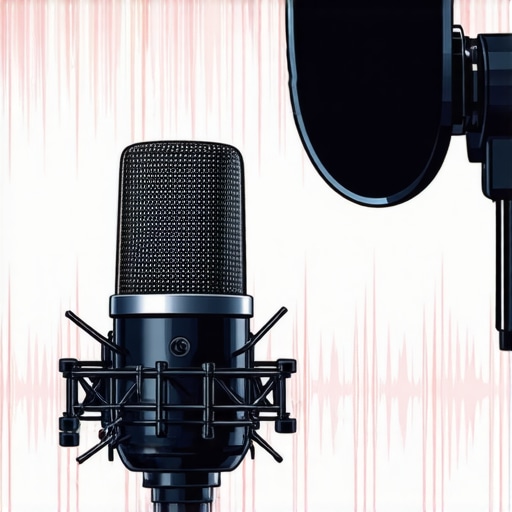
Secure your microphone using a sturdy boom arm and shock mount. Think of it like a camera stabilizer—steadying your mic prevents handling noise and vibrations. I used a basic mic stand, which picked up desk noise and resonances. Upgrading to a heavy-duty boom arm and shock absorber was a game-changer, especially when recording in a lively room. For winner recommendations, check out this guide on boom arms.
Proper Pop Filter Placement
Position a pop filter about 2-3 inches in front of your mic capsule. This catches plosive bursts like While many newcomers focus on upgrading gear or tweaking software settings, some of the most impactful nuances are often misunderstood or overlooked. For instance, a frequent myth is that simply choosing the most expensive audio interface guarantees professional sound quality. In reality, the setup process, including proper audio interface configuration, plays a crucial role in achieving pristine recordings. An advanced mistake is neglecting the importance of bus-powered interfaces versus self-powered units, which can introduce noise or latency issues if not selected appropriately. Many assume that all studio headphones deliver flat responses; however, some models exaggeratedly boost bass, skewing your critical listening experience, so consulting a buying guide for studio headphones is essential. Additionally, podcast editing often gets simplified to basic cuts, but understanding advanced editing techniques can significantly improve clarity and naturalness. When it comes to DAW software, some believe that newer or more expensive versions automatically produce better results. However, according to industry experts, mastering the settings and workflow optimizations often yields more benefit than the software choice alone.
What’s the Real Impact of Your Microphone Preamps on Voice Quality?
Preamps can subtly shape your vocal tone, adding warmth or revealing noise, which is why selecting the right gain staging and preamp type—whether tube or solid-state—is critical. Misjudging these elements leads to processing headaches later, so taking the time to understand preamp settings is worthwhile. Overall, awareness of these nuanced aspects can prevent costly mistakes and elevate your podcasting or voiceover game. Have you ever fallen into this trap? Let me know in the comments, and stay tuned for more expert insights that challenge common beliefs and help you avoid rookie pitfalls.Maintaining your audio setup over time is crucial to ensure your podcast continues to sound professional and engaging. Investing in reliable equipment is just the beginning; regular upkeep and strategic tool choices keep your workflow smooth and your sound pristine. Favor the tools that have proven their worth in my own setup: for instance, I rely heavily on the audio interface configuration guides because they help me avoid latency and noise issues that can creep in over months of use. When it comes to headphones, I recommend models from the latest buying guides; I personally choose ones with a flat response to catch every nuance in my recordings and mixes. Keep your podcast editing tools updated, and don’t hesitate to experiment with new plugins or shortcuts that emerge—adapting swiftly is key to staying ahead. Software updates for your DAW can unlock performance boosts; for example, choosing the right DAW and mastering its settings can dramatically reduce lag or crashes, making your editing sessions more efficient. Also, always review your hardware connections. A USB-C interface with solid build and noise-canceling features can save a lot of headaches. Regularly cleaning and inspecting cables and connections often prevents unexpected interruptions. Predicting how your setup will evolve, I anticipate that integration of AI-driven noise-cancellation tools will become standard—streamlining post-production and even live recording. To optimize your gear for long-term results, try applying the high-impedance headphones technique for critical listening sessions. This minor investment in quality can reveal flaws in your recordings that typical headphones might miss. Never underestimate the importance of routine checks: schedule monthly equipment inspections and firmware updates. This proactive approach helps ensure your setup remains reliable, especially when facing tight deadlines or extended projects. Keep a maintenance checklist handy—tighten connections, clean mic grilles, and verify down-to-earth settings like gain levels or phantom power. An often overlooked aspect involves software plugins; periodically review and upgrade them to benefit from new algorithms that improve clarity or reduce processing load. Remember, tools like buffer and pop fixes are not just technical jargon but real solutions that keep your production seamless. A practical tip: try using a dedicated external hard drive for your project files. This minimizes the risk of data corruption during intense editing sessions and maintains your system’s performance. As the trend toward remote or mobile recording grows, exploring portable, high-quality headphones can make your workflow more flexible without sacrificing precision. Staying on top of maintenance and using optimized tools will be your secret weapon for consistent, professional-quality podcasts. Take one step today—schedule a weekly check of your equipment and software updates—and experience smoother production days. For a detailed walkthrough on upgrading your setup, consult the advanced DAW settings guide that I highly recommend for best performance. Remember, your audio quality depends as much on ongoing care as on initial investments.
What I Wish I Knew Before Setting Up My Microphone
One of the most overlooked lessons in achieving professional podcast sound is that proper mic placement isn’t just about distance; it’s about strategic positioning to capture your voice’s fullness and warmth. I once spent hours tweaking EQs and compressors, only to realize my voice still sounded flat. The breakthrough? Moving my mic slightly off-center and closer—what a difference that made! Trust me, when you optimize your mic placement, you’re investing in sound quality that elevates your entire podcast.
The Power of Small Adjustments for Big Sound
Sometimes, a tiny shift—like angling your mic a few degrees or adjusting your distance—can remove nasal tones or harsh sibilance. I learned this the hard way when I used a standard stand and ignored the importance of off-axis positioning. Now, with a boom arm and strategic placement, my recordings sound richer and more natural. The key is experimenting with your setup to find that perfect spot where your voice shines brightest.
Creating a Consistent Recording Environment
Stability is vital. Using shock mounts and sturdy boom arms not only prevents handling noise but also keeps your mic in the optimal position. I’ve seen many podcasters struggle with fluctuating sound quality because their mic shifts during recording. Investing in a reliable arm and proper shock isolation ensures every take maintains the same clarity and warmth, making post-production much smoother.
Pop Filters—More Than Just a Shield
Positioning your pop filter correctly—about 2-3 inches from the mic—is essential to tame plosive sounds without dulling your voice. I used to place mine too far away, leading to unintended mouth noises. Once I learned to set it close enough but off to the side, my voice had that crisp presence missing before. A small change like this enhances clarity and professional polish.
Why Gear Isn’t Enough Without Proper Technique
While investing in quality studio headphones and interfaces is important, without proper mic placement, their potential remains untapped. Even the best gear can sound flat if it doesn’t capture your voice accurately. I recommend reviewing guides on audio interface setup and choosing headphones from trusted buying guides for clarity. Remember, technique beats gear sometimes—so practice your mic positioning regularly to develop an instinctive feel for optimal sound.
Insider Lessons That Changed My Podcasting Game
- Never underestimate how tiny adjustments in mic angle and distance can bring your voice from dull to dynamic.
- Choosing a good shock mount and boom arm pays off with steadier, clearer recordings, especially when recording in lively rooms.
- Pop filters are not just accessories—they are crucial for maintaining vocal clarity by preventing explosive sounds.
- Do not fall into the trap of thinking high-end gear can compensate for poor mic technique; learning optimal placement is essential.
Resources That Keep My Sound Sharp
- Audio interface setup guides help me optimize gain staging and prevent noise.
- Studio headphone recommendations ensure I hear every nuance, critical for mixing and monitoring.
- Editing techniques articles allow me to polish recordings effortlessly.
Your Turn to Perfect Your Sound
The secret to a podcast that stands out isn’t solely about expensive equipment; it’s about mastering the fundamentals—especially microphone placement. With a little experimentation and attention to detail, you can unlock a richness and resonance in your voice that will captivate listeners and elevate your content. Don’t wait—start adjusting your mic today, and watch your podcasts transform. Which microphone positioning tip will you try first? Let me know below!
,