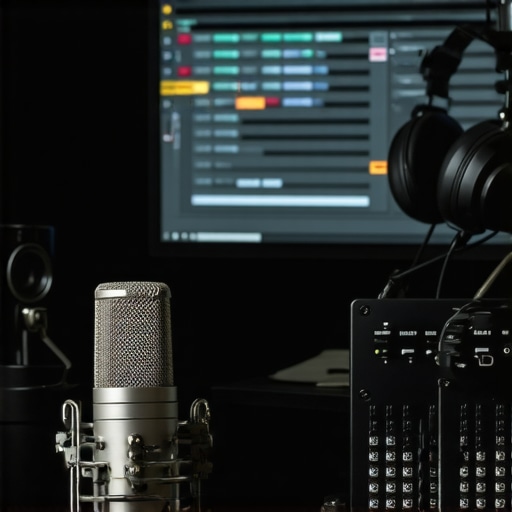
I vividly remember the moment I recorded my first voiceover, only to realize later that what I thought was a clear, professional sound was riddled with pops, state and course noise, and an unsettling lack of warmth. That lightbulb moment hit me hard—despite investing in decent mic gear, I was missing a crucial piece of the puzzle. Turns out, setup and environment matter more than most people realize when it comes to top-tier voice recordings.
If you’ve ever felt frustrated, stuck trying to get your recordings crystal clear, or simply unsure if your current setup is holding you back, you’re not alone. The good news? There are straightforward, effective strategies for 2024 that can transform your voiceover quality without breaking the bank. Over the years, I’ve tested countless setups, made a few costly mistakes, and now I want to share what truly works.
In this post, we’ll dive into the core components of a professional voiceover environment—starting with the right audio interface, the ideal studio headphones, and how to configure your digital audio workstation (DAW) for optimal results. Whether you’re just starting out or looking to upgrade your existing setup, these insights will help you elevate your recordings and sound more confident and polished.
Have you faced issues like inconsistent audio quality or background noise that just won’t go away? If so, stick around—I’ll guide you through practical fixes and tips that I wish I knew when I started.
Let’s kick things off by examining the critical first step: creating a professional sound environment that sets you up for success from the get-go.
Select the Right Audio Interface
Choosing an audio interface is like building the backbone of your recording chain. I recall the time I first connected a budget interface, expecting professional sound, only to be met with hiss and latency. To avoid this, focus on interfaces that offer clean preamps and low latency. For detailed guidance, check out the top audio interfaces for clear podcast voiceovers. Install your interface following the manufacturer’s instructions, ensuring proper driver setup and power supply, which can significantly improve your audio quality.
Connect and Configure Your Interface
Physically connect your interface to your computer with a quality USB or Thunderbolt cable. Then, access your system settings to select it as your default input and output device. Within your DAW or recording software, set your input device to the newly connected interface. This setup reduces background noise and ensures your microphone signal is processed accurately, much like tuning a musical instrument before performance.
Invest in Quality Studio Headphones
High-quality headphones let you hear your recordings as they truly are, enabling precise edits. I once used consumer earbuds that muffled background noise but distorted voice clarity. Upgrading to reference-grade studio headphones changed my editing game. Choose closed-back models for tracking, which prevent sound leakage, and opt for flat frequency responses to hear your voice naturally. Position the headphones correctly, keeping a tight seal on your ears to block outside noise—this results in consistent monitoring and better editing decisions.
Set Up Your DAW Properly
Configuring your digital audio workstation is like tuning your instrument before a concert. I remember initially neglecting buffer size settings, which caused latency during recording. By adjusting your buffer to a lower value during tracking, you gain real-time feedback. Switch to higher buffer sizes during editing or mixing to ensure stability. Use the best DAW software for voiceover and set your input/output channels to match your interface. Don’t forget to create dedicated tracks for recording, allowing for clean, isolated takes—improving overall clarity and quality.
Optimize Your Recording Environment
Environment plays a pivotal role. Think of your room as a musical instrument—treat it for sound. Use foam panels, bass traps, and diffusers to minimize echo and room tone. I once recorded in a small, untreated closet and ended up with muddy recordings. After adding some DIY acoustic panels, the clarity improved dramatically. Position your microphone away from reflective surfaces and windows. Use a reliable microphone stand and pop filter, which I learned the hard way when plosive sounds caused clipping. This setup ensures that the only sound entering your microphone is your voice, not distracting room reflections.
Test and Fine-Tune Regularly
Consistent testing is key. I occasionally record a quick sample and listen critically, adjusting gain levels and placement. Use audio analysis tools within your DAW or third-party apps to check for unwanted noise or clipping. Revisit your setup every few weeks, especially when changing equipment or room arrangements, to maintain optimal quality. Remember, your environment and settings are dynamic; regular checks help catch issues early, ensuring your voice remains professional and polished.
Think You Know Your Studio Gear? Think Again
Many enthusiasts assume that simply investing in high-end studio headphones or a top-tier audio interface guarantees professional quality. However, the real nuance lies in understanding how these components interact with your environment and workflow. For example, choosing headphones with a flat frequency response is essential, but if you don’t properly calibrate your monitoring setup, you might still misjudge your mix. So, don’t fall for the myth that quality hardware alone is enough—it’s about how you use and optimize it.
The Hidden Trap of Over-Reliance on Digital Tools
In podcast editing and voiceover production, there’s a dangerous notion that advanced software can fix all recording issues. While DAWs like best DAW software are powerful, they can’t compensate for poor recording habits or bad acoustics. Relying solely on plugins to clean up noise or fix timing can introduce artifacts and degrade overall quality. The key is to prioritize proper recording techniques before turning to post-processing magic.
Your Environment Isn’t Just Background Noise
Many overlook the importance of acoustic treatment, assuming that a closet or a makeshift booth is sufficient. But untreated rooms can introduce comb-filtering and unwanted resonances that muddy your recordings. For a DIY approach, consider adding bass traps and diffusers—simple yet effective solutions to create a cleaner sound. Soundproofing efforts matter, but it’s primarily about controlling reflections; otherwise, even the best microphone can capture an undesirable ambiance.
Advanced Question: Why Do Some Professional Voiceovers Still Sound Off in a Perfect Studio?
Even with state-of-the-art gear, the human element and technical precision matter. Professionals meticulously monitor gain staging, use reference tracks, and calibrate their equipment regularly. According to audio expert Bob Katz, “You can’t compensate for inconsistent levels or poor playback environments with software alone.” This underscores the importance of meticulous setup and continuous calibration. Want to refine your setup? Check out voiceover setup essentials for comprehensive guidance.
One common misconception is that more expensive gear equals better sound. In reality, the nuanced understanding of your equipment and environment is what makes a difference. Be skeptical of easy fixes and focus on building a solid foundation—starting with proper monitoring, acoustics, and workflow mastery. Have you ever fallen into this trap? Let me know in the comments.
,Maintaining a professional voiceover setup requires more than just initial equipment selection; it involves ongoing care, regular updates, and understanding the tools’ longevity. One key aspect I emphasize is investing in durable, high-quality gear like the best audio interfaces and studio headphones that withstand daily use and provide consistent performance. I personally favor the Universal Audio Apollo Twin for its robust preamps and tight integration with my DAW, ensuring minimal fuss over time. To prolong your setup’s life, routine cleaning of connectors, updating firmware, and checking cable integrity are essential practices. These small steps prevent costly repairs and ensure your recordings remain pristine.
How do I maintain my recording environment over time?
Creating a dedicated space with acoustic treatments like bass traps and diffusers helps preserve sound quality. Regularly inspecting and replacing worn-out foam panels prevents deterioration of soundproofing and reduces unwanted reflections. I also recommend calibrating your monitors annually using measurement tools like the Room EQ Wizard to keep your monitoring environment accurate. The industry standard continues to evolve, with trends pointing toward smarter, self-adjusting acoustic solutions in the future. Staying proactive with maintenance ensures your setup remains reliable for years. Consider scheduling quarterly checks for your gear and environment, and use software like professional DAW updates to keep workflow smooth and secure. don’t forget, routine updates and calibration not only extend your equipment’s lifespan but also maintain the highest quality in your recordings—so make it a habit to review these aspects regularly. Want to get an edge? Try calibrating your monitors with a measurement mic and professional setup tips today—small investments of time lead to big improvements. Keeping your tools sharp and your environment well-maintained will pay dividends in the long run, ensuring every project sounds just as polished as your first.
The Hardest Lesson I Learned About Studio Headphones and Setup
One of the most eye-opening realizations I’ve had was that even top-tier gear can’t compensate for poor room acoustics or incorrect placement. I once invested in the best studio headphones but neglected to treat my space, which meant my mixes still sounded off. It taught me that gear is only part of the equation—environment and understanding how to use your tools matter just as much.
Why Overcomplicating Your Settings Can Hold You Back
Early on, I believed tinkering endlessly with settings would produce perfect sound. Instead, I learned to focus on the essentials: proper gain staging, correct microphone placement, and simple buffer adjustments in my DAW. Simplicity and mastery of basic setup led to consistently better recordings than obsessing over every detail.
My Go-To Resources That Changed My Approach
- Room EQ Wizard: An invaluable tool for calibrating monitors and room acoustics to ensure honest listening environment.
- Studio Headphones Buying Guides: I trust guides like this one to help select headphones with flat frequency responses.
- DAW Tutorials: Getting familiar with software like top DAWs ensures a smoother workflow and reduces frustration during editing.
Your Next Step Could Be Closer Than You Think
Embarking on refining your voiceover setup is a journey, not a sprint. Focus on developing good habits—like proper environment management, calibrated monitoring, and consistent workflow routines—and you’ll see improvements that resonate in every recording. Remember, your gear is there to serve your voice, but the real magic happens when you master how to use it effectively. Ready to elevate your voiceover game? Start today, and let your environment and skills do the heavy lifting—your future recordings will thank you.
What has been the biggest challenge you’ve faced in setting up your voiceover environment? Share your story below—I’d love to hear it!
http://Emily%20Johnson
Reading through this detailed setup guide really resonated with me. I’ve been struggling with inconsistent audio quality despite having decent gear, and I realize now that environment and calibration play such huge roles. Like the author, I initially thought that upgrading my microphone or interface would drastically improve my recordings, but I overlooked acoustic treatment and proper DAW configuration. Since I started adding foam panels and calibrating my monitors with the Room EQ Wizard, the clarity of my recordings has noticeably improved. It’s fascinating how much a well-treated room can make a difference in the final sound, even with good equipment.
One challenge I still face is maintaining the environment as my space doubles for other purposes. How do others keep their setups consistent over time, especially when working in shared or multi-use spaces? I’d love to hear some practical tips on managing noise and acoustics when your environment isn’t dedicated solely to recording.
http://Michael%20Carter
Reading this post really struck a chord with me because I’ve gone through a similar journey in trying to perfect my voiceover setup. I started with decent gear but quickly realized that my room acoustics and monitoring setup had a more significant impact than I initially thought. One thing I found particularly helpful was implementing DIY acoustic treatments, like thick moving blankets and strategically placed bass traps, which drastically improved the room’s sound clarity. It also made me more confident in my gear selection, knowing that proper environment management complements high-quality equipment.
I’m curious—how do others balance the need for quality acoustic treatment with practical constraints of space or budget? Do you think investing in smart room correction software or getting professional treatment is ultimately more effective than DIY solutions? I’d love to hear different approaches that have worked for others navigating similar challenges.